
In John 10:1-18, Jesus reveals himself as both the true shepherd and the door to salvation. He emphasizes the importance of recognizing his voice over false shepherds, who offer destruction rather than life. His sacrificial love provides security and abundant life, inviting all to trust and follow him amidst competing voices.
Tag Archives: parable
The Urgency of Bearing Fruit: Insights from Luke 13:6-9

The parable of the barren fig tree reveals God’s expectations and mercy, emphasizing the urgency for believers to produce spiritual fruit. Jesus warns that continued unfruitfulness will lead to judgment, while the vinedresser’s intercession represents Christ’s patience. The message encourages self-examination, repentance, and active engagement in spiritual growth.
Living as Christ’s Steward: A Guide to Responsibility. Luke 12:42-48
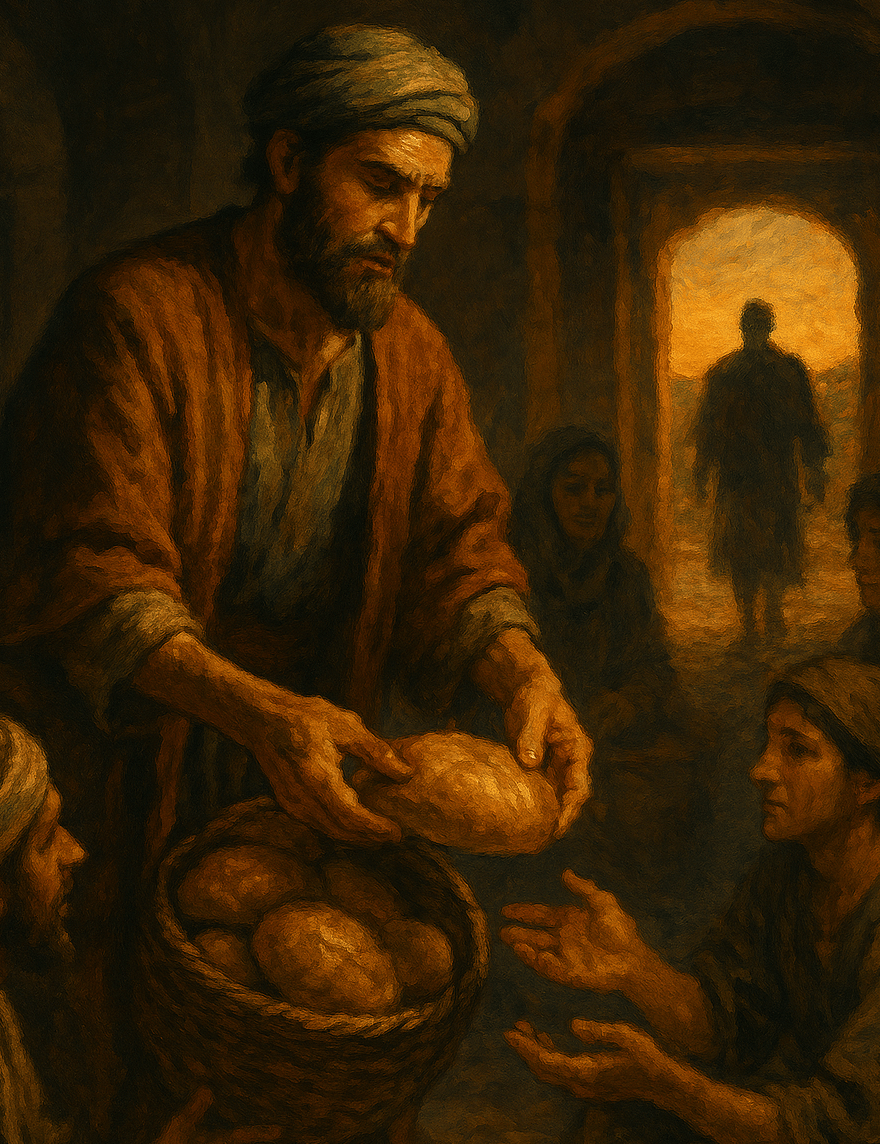
When Jesus calls us stewards, not owners, everything changes. This post explores Luke 12:42–48 and why unseen faithfulness, delayed answers, and our quiet daily choices matter so much to the returning Master. Are you living as if He’s really coming back?
Overcoming Spiritual Emptiness: Lessons from Luke 11:24-26

In Luke 11:24–26, Jesus illustrates that merely cleaning one’s life of sin without inviting the Holy Spirit can lead to a more vulnerable state than before. The parable emphasizes the necessity of not just eliminating evil but fostering a relationship with Christ to ensure spiritual safety and fulfillment.
No Neutrality: Your Choice in Christ’s Kingdom Luke 11:14-23

In Luke 11:14-23, Jesus demonstrates His authority over dark powers by casting out a demon from a mute man, symbolizing salvation’s transformative power. The passage reveals human hearts’ divided responses to Jesus’ miracles, emphasizing the absence of neutrality: one must choose to gather with or scatter against Him, reflecting a personal commitment to faith.
Good Samaritan Parable: Lessons from Luke 10:30–37

Discover the meaning of the Good Samaritan in Luke 10:30–37 (KJV). This post explores Jesus’ parable, what it teaches about true neighborly love, practical mercy, and how Christians today can live out Christlike compassion in everyday situations.
Exposing Hidden Truths in Luke 8: 16-18

Jesus emphasizes the importance of sharing the light of faith rather than hiding it. The metaphor of a candle reminds believers that true faith should be evident in their lives. He warns against hypocrisy and encourages careful listening to His word, as proper reception leads to spiritual growth, while neglect results in loss of faith.
The Parable of the Sower: Lessons on Spiritual Growth. Luke 8:5-15

The parable in Luke 8:5-15 illustrates different heart conditions regarding the Word of God. It describes how varied responses, from hardened hearts to receptive ones, affect spiritual growth. Emphasizing the importance of cultivating a good heart, it encourages consistent engagement with Scripture and prayer to yield abundant spiritual fruit for God’s glory.
Understanding Christ’s New Covenant in Luke 5:36-39

The parable in Luke 5:36-39 teaches that Christ’s work cannot be merely an addition to our old lives. Jesus emphasizes the need for transformation, not just repair, using the imagery of new garments and wine. True change requires a willingness to let go of rigid traditions and embrace a renewed life in Him.
Learn the Parable of the Fig Tree: Urgent Lessons from Mark 13:28–29 on Christ’s Near Return

In this parable of the fig tree from Mark 13:28-29, Jesus encourages spiritual discernment, urging believers to recognize signs of His imminent return as surely as they observe seasonal changes. The tender branches symbolize responsiveness to God’s work. He emphasizes readiness, hope, and the urgency of living faithfully, as His promises are near and forthcoming.
 Grow Stronger Roots