
The passage from Matthew 7:21-24 emphasizes that mere verbal acknowledgment of Jesus as Lord is insufficient for salvation. True saving faith is evidenced by obedience to God’s will. The passage warns that many may face rejection on judgment day despite religious activity. Self-examination is crucial to ensure genuine faith.
Tag Archives: Matthew
Parables of Jesus. Matthew 20:1-16
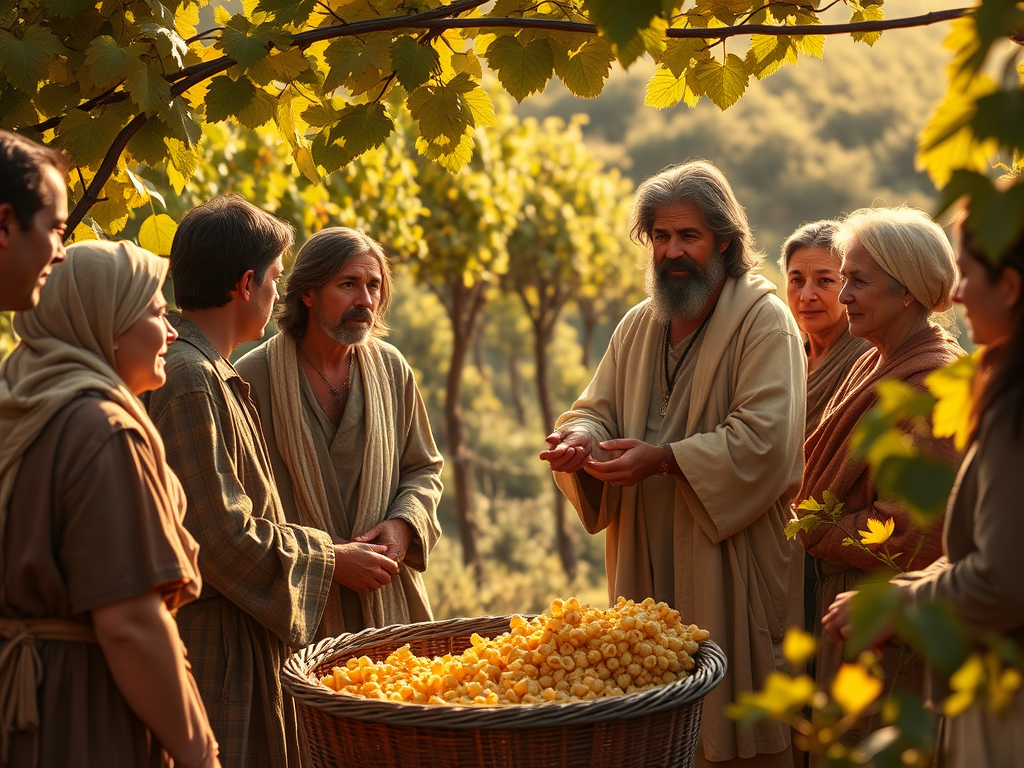
The parable in Matthew 20:1–16 illustrates God’s generosity and challenges human notions of fairness. It tells of a landowner who hires workers at different times yet pays them all equally, emphasizing grace over merit. The story reveals God’s justice and invites reflection on our attitudes towards His grace and generosity.
Binding the Strong Man: A Fresh Look at Matthew 12:29 (KJV)
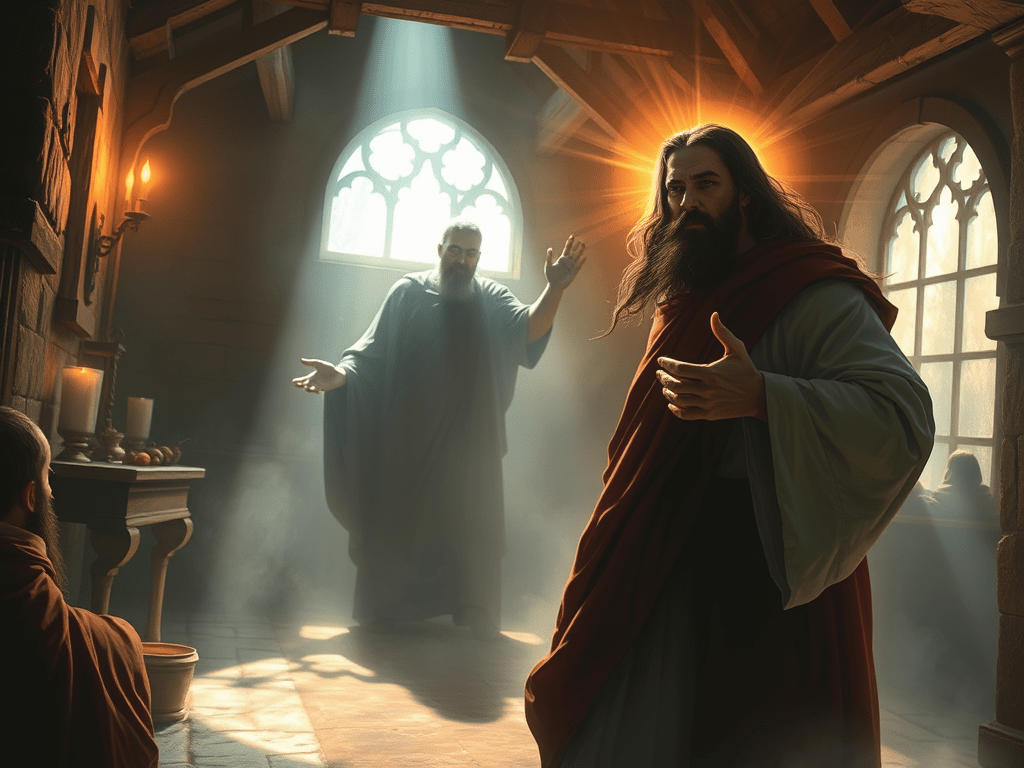
In Matthew 12:29, Jesus uses a parable to counter the Pharisees’ accusations, illustrating His spiritual authority and mission to liberate people from bondage. He depicts Satan as the strong man and emphasizes that His healings and miracles signify a conquest over evil, highlighting the victory and personal power of Christ in delivering individuals from oppression.
How the “New Cloth” and “New Wine” Parables Work Together in My Life Matthew 9:16-17

In his exploration of Jesus’ parables in Matthew, the author highlights the futility of trying to blend the new life offered by Christ with old habits and mindsets. Jesus warns against patching the old with the new, emphasizing the need for transformation rather than mere adjustment. Acknowledging this allows for true renewal and salvation.
The Parable That Won’t Leave Us Alone: Reflections on Matthew 25:31–46

Matthew 25:31–46 emphasizes the importance of serving the vulnerable as a reflection of faith. Jesus teaches that compassion towards the needy is essential, and both the righteous and the unrighteous are surprised by their responses. The parable urges us to recognize Christ in everyday interactions and challenges us to embrace ordinary acts of kindness.
Investing What God Gives: A Look at the Parable of the Talents (Matthew 25:14–30, KJV)

The parable of the talents in Matthew 25:14–30 teaches about responsibility and faithfulness in using God’s entrusted resources. It highlights that growth comes from action, while fear can lead to unfaithfulness. The master rewards those who invest their gifts, emphasizing that personal initiative leads to joy and blessings.
Staying Ready: A Fresh Look at the Parable of the Ten Virgins (Matthew 25:1–13)

The parable of the ten virgins in Matthew emphasizes the importance of preparation and readiness for life’s unexpected challenges. It illustrates that true spiritual maturity is cultivated over time and cannot be borrowed. Ultimately, it calls for a watchful heart and intentional living, reminding us to prepare now for what lies ahead.
The Parable of the Faithful and Evil Servant: A Call to Steadfast Readiness. Matthew 24:45-51
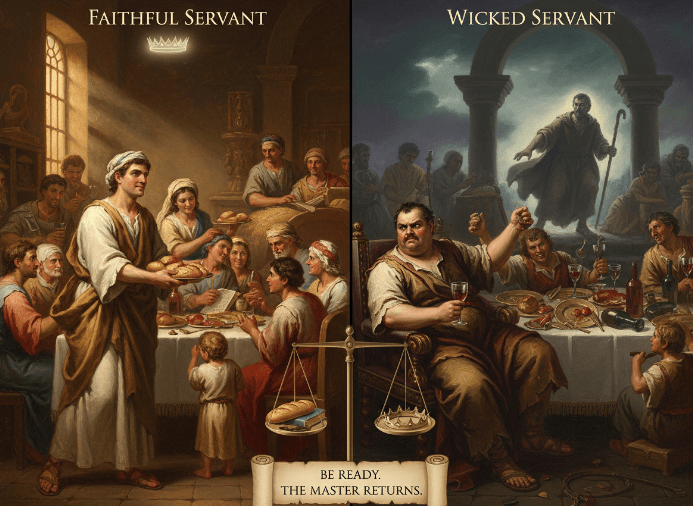
The parable contrasts a faithful servant who responsibly fulfills his duties with an evil servant who grows careless, abusive, and self-indulgent when he assumes the master’s delay. Jesus warns that the master returns unexpectedly, rewarding steadfast obedience and judging hypocrisy, urging believers to live in constant readiness and integrity.
Learning from the Fig Tree: A Reflection on Matthew 24:32–35

In this reflection on Matthew 24:32–35, Jesus uses the fig tree to teach spiritual awareness and readiness for His return. Just as the fig tree signals summer, believers should discern spiritual seasons without fear. His enduring promises provide stability in an uncertain world, encouraging purposeful living and attentiveness to faith.
The Wedding Feast: A Royal Invitation and a Sobering Warning (Matthew 22:1–14)
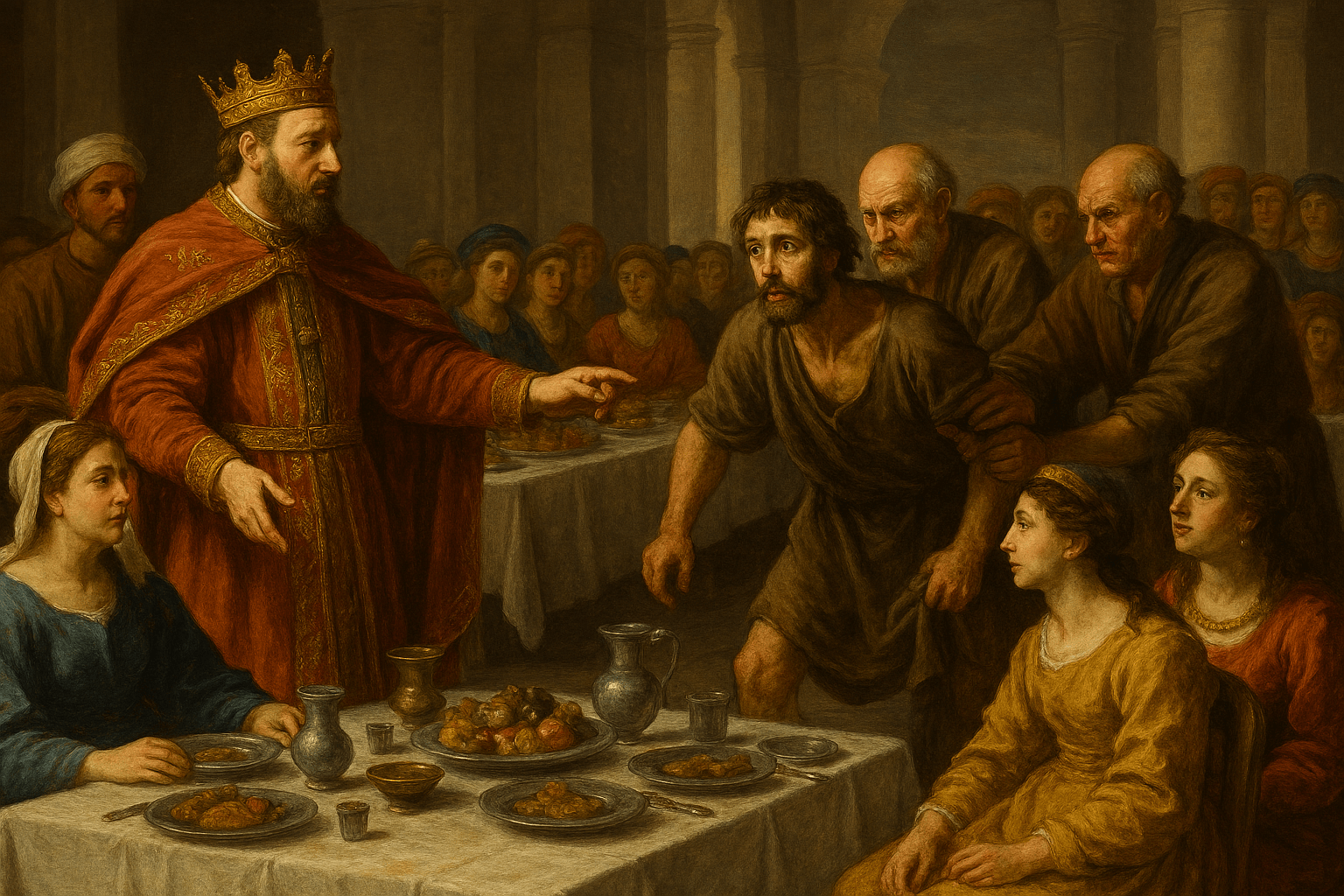
A king invites guests to his son’s wedding feast, but many reject the call. The invitation is extended to unexpected people, yet one guest without a proper garment is cast out. The parable reveals God’s generous grace, human resistance, and the need for true righteousness.
 Grow Stronger Roots