
The Parable of the Two Sons in Matthew 21:28-32 highlights the difference between verbal commitment and genuine obedience to God. It contrasts one son’s initial refusal, followed by repentance, with another’s hollow agreement. Jesus challenges believers to reflect on their actions versus words, emphasizing that true obedience aligns with God’s call to righteousness.
Tag Archives: God
The Parables of Matthew: Matthew 18:23–35
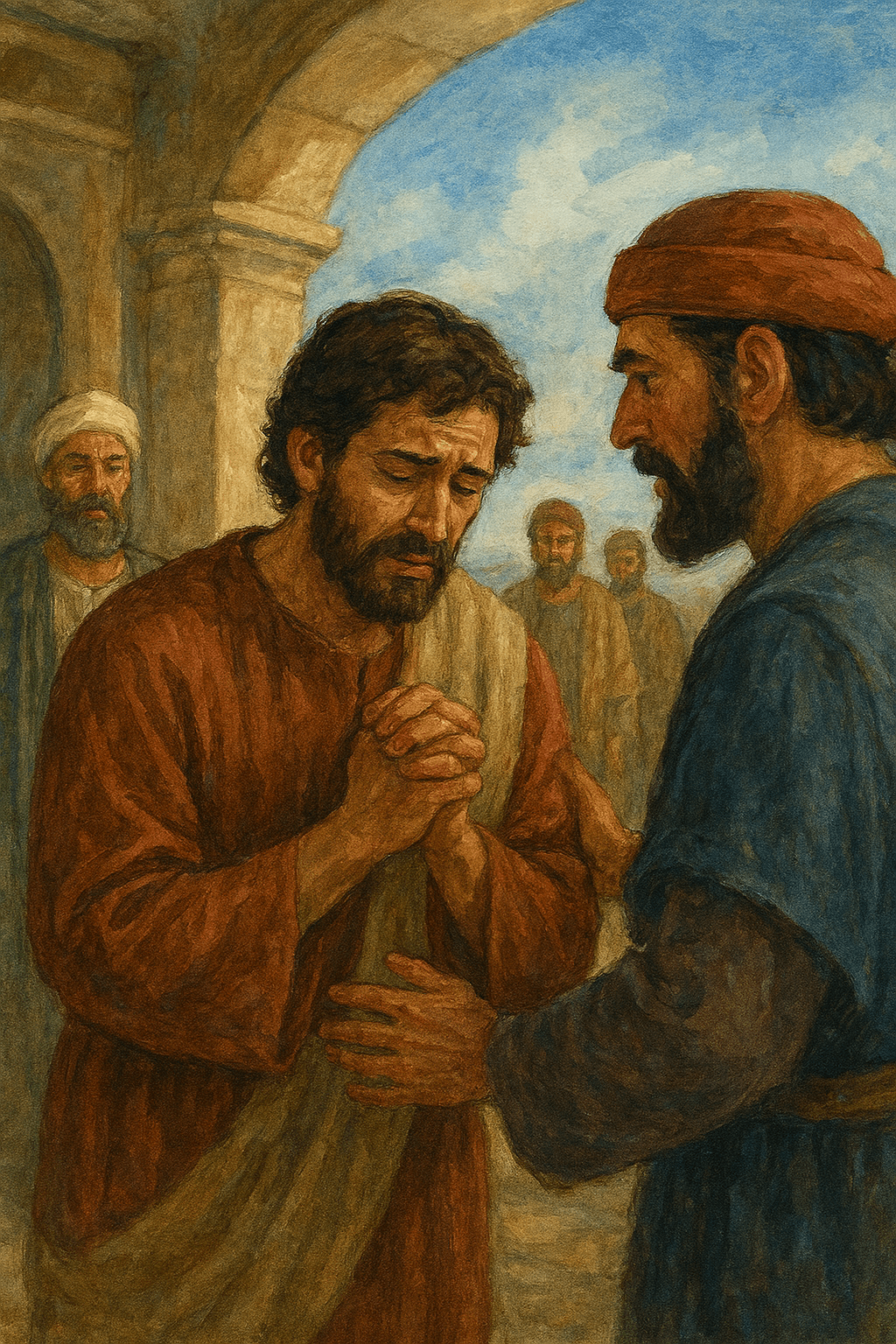
Matthew 18:23–35 reveals the Parable of the Unforgiving Servant, where a king forgives a massive debt, yet the forgiven servant refuses mercy to another. Jesus teaches that true forgiveness must flow from the heart—received and extended. Mercy withheld invites judgment. A sobering call to embody grace.
Parables of Matthew: A Reflection on Matthew 18:12–14

The passage in Matthew 18:12-14 highlights God’s unwavering love and pursuit of those who stray. It reminds us that, like lost sheep, we often wander due to various distractions, yet God’s joy in our return is greater than any judgment. This reflects His patient, forgiving nature, encouraging us to extend the same grace to others.
Parables of Matthew: A Personal Reflection on Matthew 13:52

The post explores Matthew 13:52, emphasizing the concept of being a “householder” with a treasury of old and new treasures from one’s spiritual journey. It highlights the importance of continual learning and sharing the insights gained from past and present experiences, encouraging disciples to actively share their faith and embrace a dynamic, growing relationship with God.
When the Net Comes In: A Personal Reflection on Matthew 13:47–50

Continuing our study of the Parables in Matthew. I’ve always been drawn to the parables of Jesus, but Matthew 13:47–50 has a way of stopping me in my tracks every time I read it. Christ compares the kingdom of heaven to “a net, that was cast into the sea, and gathered of every kind” (MatthewContinue reading “When the Net Comes In: A Personal Reflection on Matthew 13:47–50”
The Merchant’s Choice: My Pursuit of the Pearl of Great Price: Matthew 13:45–46

This reflection on the Parable of the Pearl of Great Price challenges readers to reassess their pursuits, emphasizing that true fulfillment lies in Christ alone. The author recounts personal experiences of spiritual emptiness and the necessity of relinquishing lesser treasures to embrace a deeper relationship with Jesus, the ultimate treasure worth everything.
A Small Thing That Changes Everything. Matthew 13:33

The author reflects on a parable from Matthew 13:33, illustrating how the kingdom of heaven operates quietly and transformatively, much like leaven in dough. Highlighting personal growth and the gospel’s widespread influence, they emphasize patience in small beginnings, trusting in gradual change and the power of grace to permeate lives and society.
The Mustard Seed and the Quiet Work of God in My Life-Matt. 13:31-32

In reflecting on the mustard seed parable from Matthew 13:31-32, the author emphasizes that God’s work often begins quietly and small but ultimately grows into something significant. The passage encourages valuing small acts of faith, trusting in God’s unseen growth, being patient through spiritual development, and welcoming others into one’s life journey.
“Lord, Help Me Discern the Wheat From the Tares” Matthew 13:24–30, 36–43

This reflection on Matthew 13:24–30, 36–43 explores the parable of the wheat and tares, revealing the coexistence of good and evil in our lives. It emphasizes patience, recognizing that growth and struggle are part of the spiritual journey. The promise of a just harvest offers hope and encourages trust in God’s timing.
The “Parables” in the Gospel of John

John’s Gospel is unique in that it contains no traditional parables like those in Matthew, Mark, and Luke. Instead, it features profound metaphors and symbolic actions, such as the Good Shepherd and the Bread of Life, to convey spiritual truths about Jesus’ identity. John’s focus is on theological discourses rather than narratives.
 Grow Stronger Roots