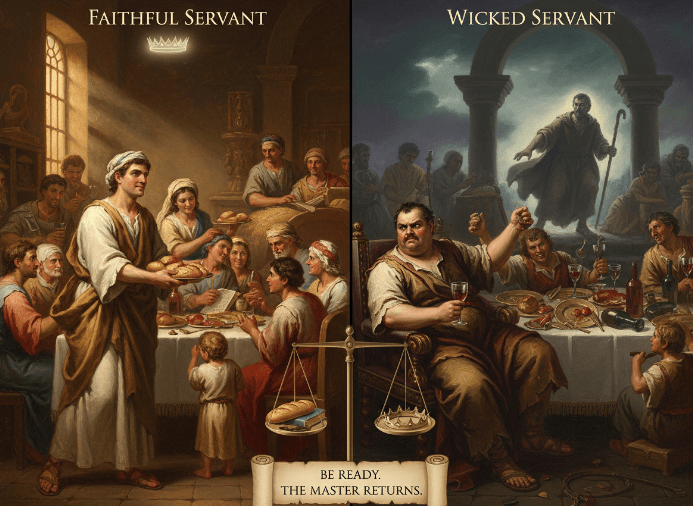
The parable contrasts a faithful servant who responsibly fulfills his duties with an evil servant who grows careless, abusive, and self-indulgent when he assumes the master’s delay. Jesus warns that the master returns unexpectedly, rewarding steadfast obedience and judging hypocrisy, urging believers to live in constant readiness and integrity.
Tag Archives: God
Learning from the Fig Tree: A Reflection on Matthew 24:32–35

In this reflection on Matthew 24:32–35, Jesus uses the fig tree to teach spiritual awareness and readiness for His return. Just as the fig tree signals summer, believers should discern spiritual seasons without fear. His enduring promises provide stability in an uncertain world, encouraging purposeful living and attentiveness to faith.
A Remorseful and Hopeful Testimony

The author reflects on a life filled with failures, including five marriages marked by infidelity and estrangement from his children. Struggling with addiction and pride, he faced the consequences of his choices. At 68, he seeks God’s mercy and forgiveness, acknowledging the hope that grace offers for redemption and reconciliation.
The Wedding Feast: A Royal Invitation and a Sobering Warning (Matthew 22:1–14)
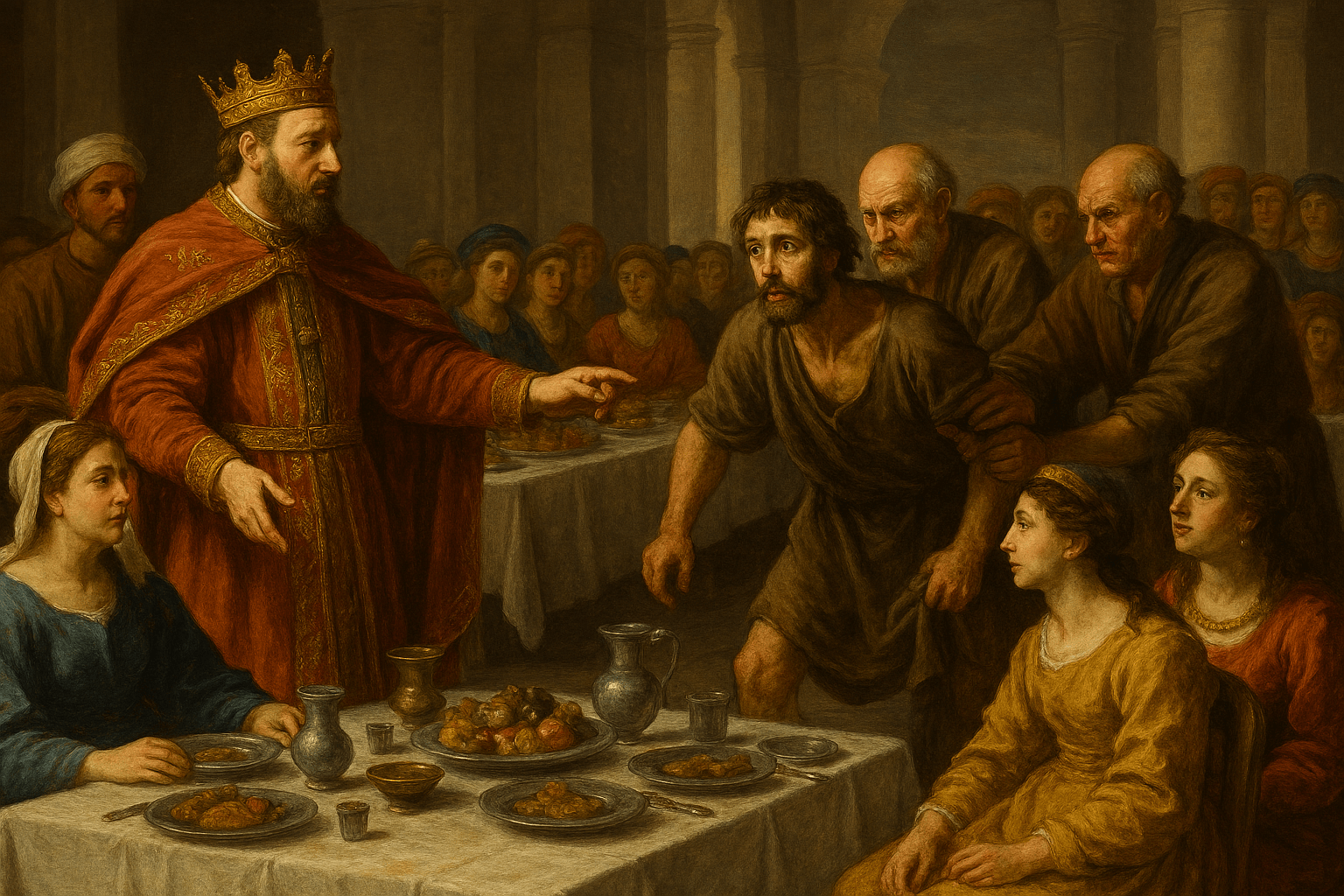
A king invites guests to his son’s wedding feast, but many reject the call. The invitation is extended to unexpected people, yet one guest without a proper garment is cast out. The parable reveals God’s generous grace, human resistance, and the need for true righteousness.
A Vineyard, a Warning, and a Promise: Reflecting on Matthew 21:33–46

Few of Jesus’ parables cut as sharply—or shine as brightly—as the Parable of the Wicked Husbandmen in Matthew 21:33–46 (KJV). It’s a story wrapped in agricultural imagery, but its message reaches straight into the heart of spiritual responsibility, human rebellion, and God’s unwavering purpose.
The Parable of the Two Sons: Matthew 21:28–32 A Wake‑Up Call to Authentic Obedience
The Parable of the Two Sons in Matthew 21:28-32 highlights the difference between verbal commitment and genuine obedience to God. It contrasts one son’s initial refusal, followed by repentance, with another’s hollow agreement. Jesus challenges believers to reflect on their actions versus words, emphasizing that true obedience aligns with God’s call to righteousness.
The Parables of Matthew: Matthew 18:23–35
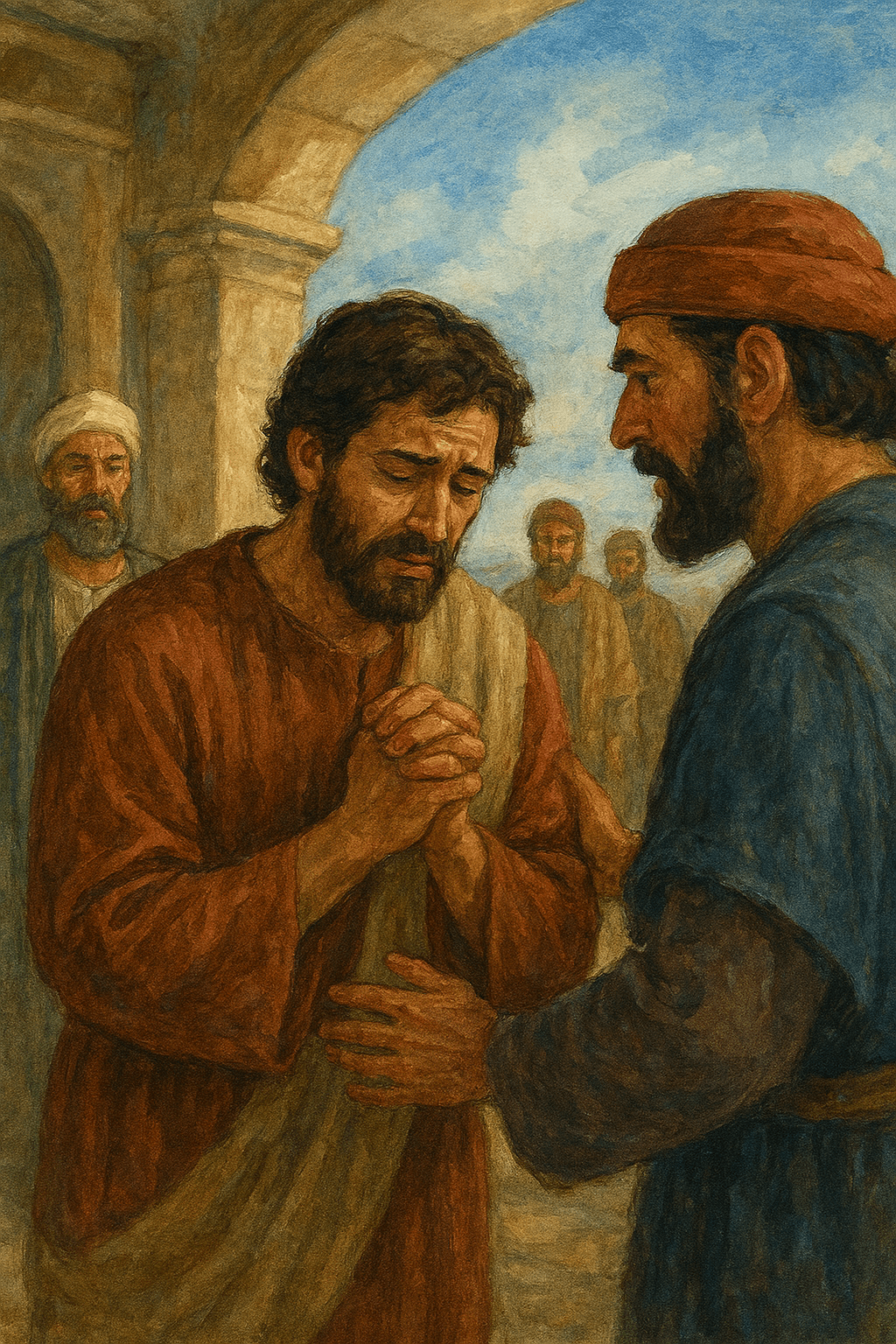
Matthew 18:23–35 reveals the Parable of the Unforgiving Servant, where a king forgives a massive debt, yet the forgiven servant refuses mercy to another. Jesus teaches that true forgiveness must flow from the heart—received and extended. Mercy withheld invites judgment. A sobering call to embody grace.
Parables of Matthew: A Reflection on Matthew 18:12–14

The passage in Matthew 18:12-14 highlights God’s unwavering love and pursuit of those who stray. It reminds us that, like lost sheep, we often wander due to various distractions, yet God’s joy in our return is greater than any judgment. This reflects His patient, forgiving nature, encouraging us to extend the same grace to others.
Parables of Matthew: A Personal Reflection on Matthew 13:52

The post explores Matthew 13:52, emphasizing the concept of being a “householder” with a treasury of old and new treasures from one’s spiritual journey. It highlights the importance of continual learning and sharing the insights gained from past and present experiences, encouraging disciples to actively share their faith and embrace a dynamic, growing relationship with God.
When the Net Comes In: A Personal Reflection on Matthew 13:47–50

Continuing our study of the Parables in Matthew. I’ve always been drawn to the parables of Jesus, but Matthew 13:47–50 has a way of stopping me in my tracks every time I read it. Christ compares the kingdom of heaven to “a net, that was cast into the sea, and gathered of every kind” (MatthewContinue reading “When the Net Comes In: A Personal Reflection on Matthew 13:47–50”
 Grow Stronger Roots