
The post explores the spiritual significance of the numbers 3, 7, 12, and 40 in the Bible, highlighting themes of completeness, perfection, authority, and testing. It offers insights and applications for believers, emphasizing God’s divine order and the importance of trust, reflection, and spiritual growth in daily life through these numbers.
Tag Archives: God
The Mysteries of Numbers: A Biblical Numerology Exploration
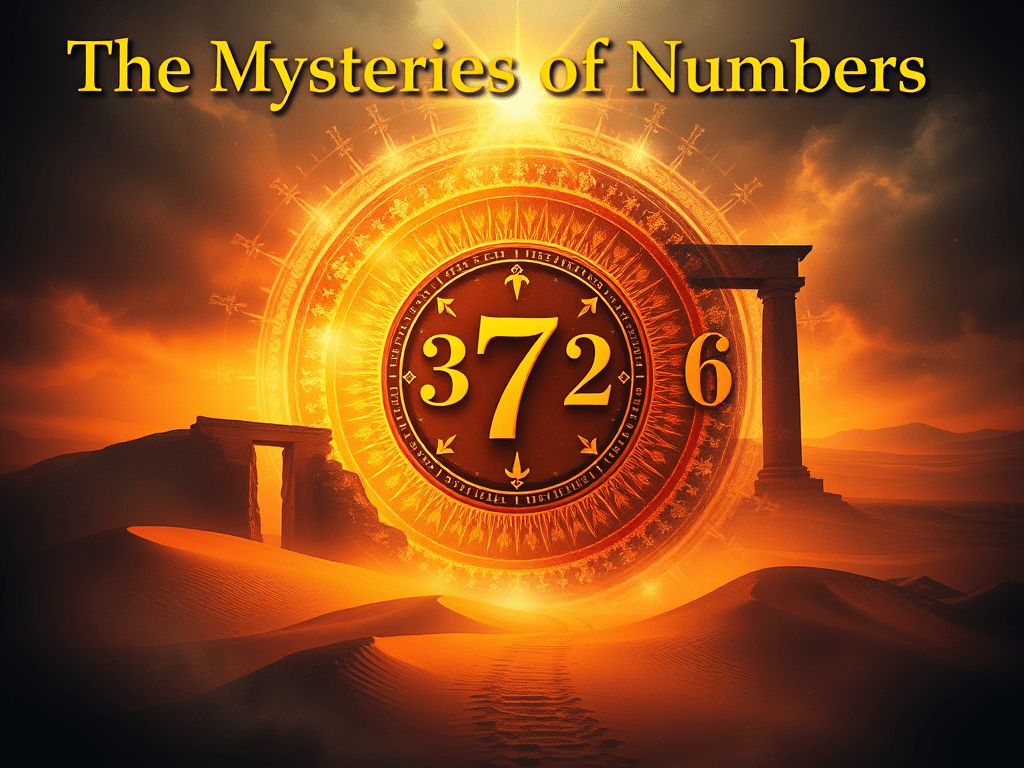
This content explores the significance of numbers in Scripture, distinguishing between biblical meanings and occult numerology. Key numbers like three, seven, twelve, and forty represent divine completeness, spiritual perfection, authority, and testing, respectively. The text encourages finding wisdom in God’s Word rather than predicting the future through numerical codes, emphasizing the intentionality of Scripture.
Post 5: The Spirit of Fear vs. The Spirit of Truth

In a time of uncertainty, fear has emerged as a potent influence, often exacerbated by conspiracy theories and unrest. Scripture teaches that fear is not from God but calls for faith and discernment. Believers are empowered by the Holy Spirit to embody peace and truth rather than succumb to panic.
Post 4: False Prophets and Deception in the Last Days

In an age of widespread deception, believers must discern truth from falsehoods, as warned in Scripture. Jesus and Paul cautioned against the rise of false prophets who distort teachings. Discernment is vital, requiring believers to anchor themselves in Scripture and equip themselves with spiritual armor, ensuring they remain steadfast in Christ.
Post 3: Surveillance, Technology, and the Mark of the Beast

The content discusses the rapid adoption of technology, emphasizing its convenience but also its spiritual implications for believers, referencing biblical prophecies about a controlling system tied to economic participation. While technology can promote the truth, discernment is crucial to avoid spiritual deception amid a digital world striving for allegiance to worldly powers.
Post 2: The Rise of Globalism — Echoes of Revelation

In recent decades, the idea of a unified global system has shifted from science fiction to serious policy. International summits, digital currencies, and global governance have sparked both admiration and alarm. For many believers, these developments echo the prophetic warnings found in the Book of Revelation. Globalism: A Modern Movement Globalism promotes interconnected economies, sharedContinue reading “Post 2: The Rise of Globalism — Echoes of Revelation”
Post 1: Prophecy vs. Paranoia — Discerning the Divine from the Deceptive

Biblical prophecy is God’s voice, delivered through prophets, revealing His plans with clarity and precision. In contrast, conspiracy theories stem from fear and speculation, often misleading individuals. Believers must discern the truth amid the chaos, testing claims against Scripture to avoid deception and navigate effectively through misinformation.
The Bible, Prophecy, and Modern-Day Conspiracy Theories

I did a lot of research for the book just published and have decided to turn a lot of it into a series of posts. These come from notes that I did not put in the book. This will serve as the first post with several others to follow, not sure how deep I willContinue reading “The Bible, Prophecy, and Modern-Day Conspiracy Theories”
Newest Book is Out! AI, the Internet, and Christ’s Return
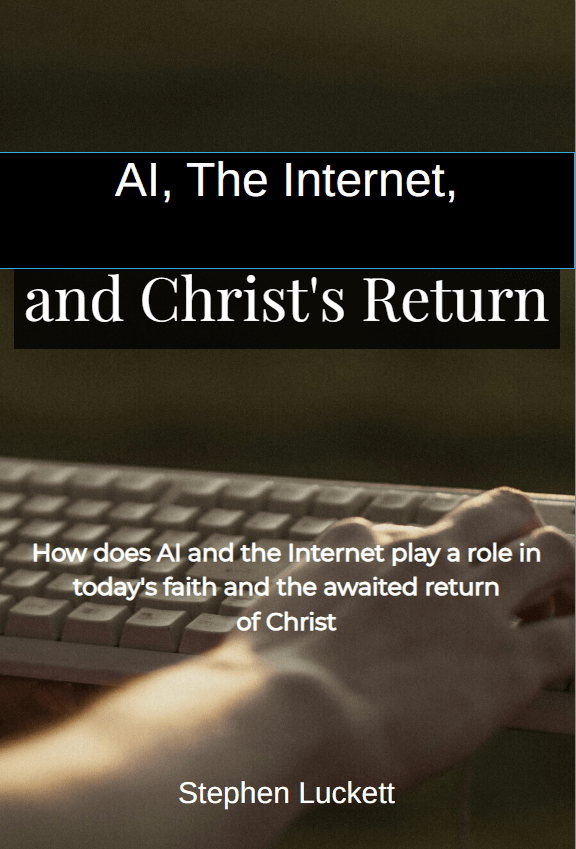
“AI, the Internet and the Return of Christ” is a new book exploring the intersection of faith and technology within the Digital Revolution. It encourages Christians to engage with AI and online platforms to enhance spirituality and outreach, while remaining grounded in Scripture. The author aims to connect technological advancements with biblical prophecy and foster dialogue on using these tools for sharing hope and faith in a complex world.
You Are Enough!

The message emphasizes that self-worth is not determined by societal standards or personal achievements but by God’s unwavering love. Scripture highlights that individuals are wonderfully made, unconditionally loved, chosen for a purpose, strengthened by grace, and complete in Christ. Therefore, one’s identity and value are secure in God’s declaration of “enough.”
 Grow Stronger Roots