
This content emphasizes the importance of perseverance in faith during trials, highlighting biblical figures like Noah, Joseph, Job, and Moses as examples. It defines perseverance as active trust, encourages anchoring in God’s promises, prayer, and community support while maintaining an eternal perspective. Reflection questions prompt personal application of these lessons.
Tag Archives: christianity
AI, The Internet, and Christ’s Return by Stephen Luckett: Exploring Faith in the Digital Age

The book “AI, The Internet, and Christ’s Return” explores the intersection of technology and biblical prophecy, discussing how AI and the internet can both spread the Gospel and contribute to deception. It encourages Christians to remain vigilant and wisely navigate the digital landscape while staying focused on their faith and readiness for Christ’s return.
Standing Firm in the Invisible Battle: Understanding Spiritual Warfare

Spiritual warfare is the daily, unseen conflict between God’s forces and evil. Believers engage through truth, righteousness, and faith, utilizing the armor of God as defense against temptation and doubt. Each piece of armor empowers spiritual readiness, while prayer acts as a potent weapon. Victory is found in trusting Christ’s completed work.
“Give Me a Pill for That Attitude” vs. Christianity: A Clash of Worldviews

The content critiques society’s “pill mentality,” emphasizing a preference for quick fixes over personal responsibility and spiritual growth. In contrast, Christianity promotes transformation through grace, which requires embracing challenges and internal renewal. Unlike medication, which offers immediate relief, true healing involves embracing hardship and lifelong spiritual development.
Small Group Study: What Makes Christianity Unique?

This session aims to explore the unique beliefs of Christianity, focusing on its distinction from other religions. Through scripture discussion and group activities, participants will reflect on salvation, Jesus’ role, and personal relationships with God. The session concludes with prayer and encourages sharing insights beyond the group.
Why Christianity Stands Out Among Religions
Christianity is distinct for its belief in Jesus Christ as the Son of God and Savior, its emphasis on grace for salvation rather than works, and the significance of the crucifixion and resurrection. The Bible serves as divine revelation, promoting a personal relationship with God while encouraging global evangelism.
Psalm 10: A Journey from Lament to Trust
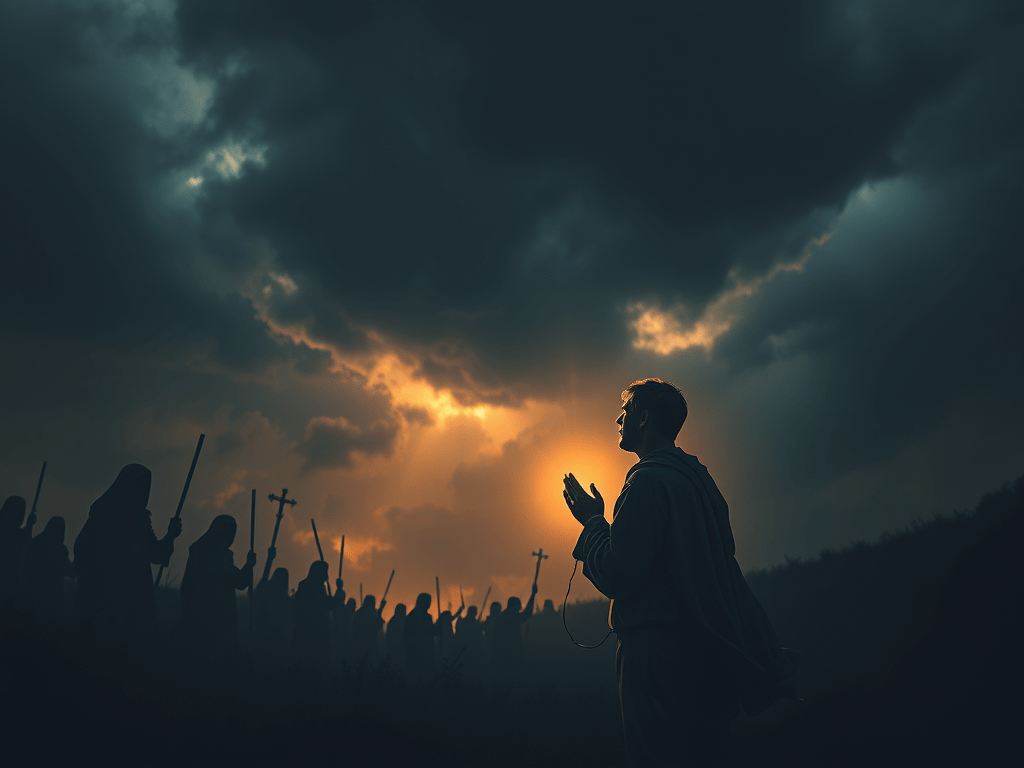
Psalm 10 expresses a journey from anguish over God’s perceived absence in times of trouble to a confident plea for justice and assurance in His eternal kingship. The psalmist laments the oppression of the wicked and urges believers to be honest in their grief while trusting that God hears their cries and ultimately defends the oppressed.
Small Group Study: Christianity and the Occult

This study aims to enhance biblical discernment among adult Christians regarding the occult, focusing on Christ as the ultimate truth source. Over four weeks, participants will engage in scripture readings, discussions, and personal reflections, exploring themes like God’s sovereignty, grace, and practical responses to occult practices, fostering faith and genuine understanding.
Understanding the Divide: Christianity and the Occult
The author reflects on their teenage exploration of the occult, ultimately recognizing its dangers in contrast to Christianity’s teachings. Christianity emphasizes absolute truth, submission to God’s authority, and salvation through grace, while the occult promotes subjective knowledge and self-deification. Believers are urged to reject occult practices and embrace biblical truth for spiritual fulfillment and eternal life.
Small Group Study: The Power Trio of Paul

The study of Galatians, Romans, and Ephesians highlights freedom, foundation, and fulfillment within the Gospel. Participants will explore grace, faith, and identity in Christ through discussions, activities, and prayer. Each week focuses on key passages, essential themes, and personal reflections, aiming for growth in understanding and unity in the Church.
 Grow Stronger Roots