
The Bible references sound frequencies primarily in musical and divine contexts, focusing on trumpet blasts, the voice of God, and worship dynamics. While it highlights the spiritual and emotional impact of sound, it does not support modern New Age concepts of vibrational frequencies as measurable phenomena, emphasizing literal auditory experiences instead.
Tag Archives: Bible
The Real History of Christmas (How an Ancient Christian Holy Day Became the Holiday We Know Today)

Christmas, celebrated on December 25, evolved over nearly 2,000 years. Initially, early Christians did not commemorate Christ’s birth. The first documented celebration occurred in 336 AD, influenced by pagan traditions. Over the centuries, customs shifted, and by the 19th century, Christmas transformed into a commercialized holiday. Today, it’s a global celebration with enduring significance.
The Silver Tsunami Is Here: Why So Many Seasoned Pastors Are Stepping Down (and What the Church Must Do Next)

The article highlights the aging trend among Protestant pastors, with the median age now at 60. While many are retiring, a significant number continue to serve in various capacities. The real challenge lies in recruiting younger leaders, as seminary enrollment declines and succession plans are lacking. Creative transitions and mentorship are essential for future church leadership.
Discovering the Path of Salvation Book Series by Stephen Luckett
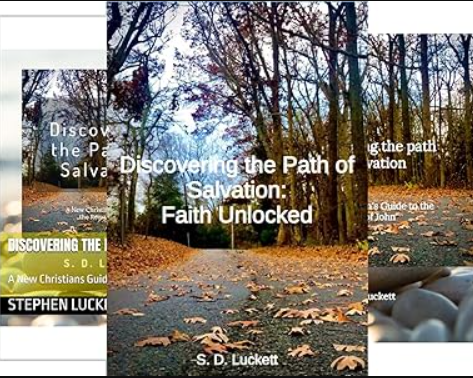
Stephen Luckett’s Discovering the Path of Salvation series is a six‑book journey designed to guide new and growing Christians through foundational truths, devotional practices, and spiritual warfare. It blends biblical study with practical application, making it a rich resource for anyone seeking to deepen their faith. Overview of the Series Stephen Luckett’s Discovering the PathContinue reading “Discovering the Path of Salvation Book Series by Stephen Luckett”
The Lord is My Strength: Finding Joy in Every Season

An Encouragement from the Bible Beloved, there is a song that rises even in the midnight hour. There is a joy that the world “neither giveth nor taketh away.” The Scriptures declare it plainly: “The joy of the LORD is your strength.” (Nehemiah 8:10) In a day when many hearts faint for fear, when theContinue reading “The Lord is My Strength: Finding Joy in Every Season”
The Power of Faith in Miracles

Life often places us in challenging situations where we seek miracles—divine interventions revealing God’s power and love. Biblical examples illustrate that miracles can mean overcoming obstacles, daily provisions, healing, and ultimately, salvation. God responds to even the smallest faith, assuring that help comes in unexpected forms when we trust Him.
Light in the Darkness: A Reflection from John 1 (KJV)

The opening verses of the Gospel of John highlight the significance of light as a symbol of truth, hope, and guidance amidst modern challenges. Emphasizing that darkness cannot overcome light, the message encourages living with clarity and compassion while anchoring oneself in faith. This light will continue to shine through believers today.
Transform Your Day with Brief Daily Devotions

Short daily devotions are vital for spiritual growth in our busy lives. They emphasize consistency over duration and foster a deeper relationship with God. Even brief moments spent in prayer or Scripture can refresh our minds and hearts, reinforcing the importance of maintaining a faithful connection to God throughout each day.
Compare & Contrast Nephilim Story: KJV vs. Enoch

The content explores the Nephilim’s portrayal in the King James Version (KJV) and the Book of Enoch. The KJV presents them as enigmatic giants, while Enoch details their origins from fallen angels, emphasizing moral corruption leading to the Flood. Interpretations vary among Jewish and Christian traditions, impacting cultural legacy and theological debates.
Understanding Paul’s Letter to the Ephesians

Paul’s Letter to the Ephesians explores Christian identity, unity, and practical living, combining theology with everyday advice. Traditionally attributed to Paul, it emphasizes grace, salvation, and the Church’s role. The letter addresses unity, faith in action, and spiritual resilience, urging believers to embody virtues and navigate life with conviction and compassion.
 Grow Stronger Roots