
Gratitude is essential to a believer’s life, as it aligns the heart with God’s will and rewires one’s perspective. It protects the mind, deepens worship, strengthens faith, transforms relationships, and enhances spiritual awareness. Practicing thankfulness through prayer, journaling, and acknowledging God’s goodness fosters a richer connection with Him.
Category Archives: Uncategorized
Letting Go of Worry: What the Scriptures Have Taught Me

The author reflects on a period of anxiety, battling worries about daily concerns while struggling to trust in God’s sovereignty. Turning to scripture, particularly from the King James Version, they found reassurance in Jesus’ words about anxiety and care. This guided them to replace worry with prayer, ultimately discovering peace through faith.
When God Suddenly Interrupted My Plans: Lessons from Scripture

The author reflects on the transformative power of divine interruptions in life. Initially resistant to change, they found that God’s unexpected disruptions often lead to greater blessings and insights, reminiscent of biblical figures like Moses and Paul. Now, they embrace these moments, recognizing them as opportunities for growth and deeper faith.
How God Uses Ordinary People for Extraordinary Purpose — My Story

The author reflects on how God uses ordinary people for extraordinary purposes, emphasizing that availability, not ability, is what counts. Through Biblical examples, the message is clear: flaws and weaknesses don’t disqualify individuals from being used by God. Ordinary moments can lead to meaningful experiences, showcasing God’s strength in human vulnerability.
SMALL GROUP STUDY: Lessons from the Twelve Disciples

The Twelve Disciples, despite their diverse backgrounds and personalities, were united in their calling to follow Jesus and spread the gospel. They experienced struggles and growth, demonstrating that imperfections can coexist within a divine purpose. Their differences highlight the strength of unity in Christ, encouraging believers to embrace diversity in faith.
How the Story of the Twelve Disciples Has Shaped My Own Journey

A continuation from blog post: One Mission: Many Stories I never expected the twelve disciples to impact my life the way they have. For years, they were just names on a page — familiar, but distant. But when I began to look closely at who they were, something in me changed. These weren’t flawless spiritualContinue reading “How the Story of the Twelve Disciples Has Shaped My Own Journey”
One Mission, Many Stories: How the Twelve Disciples’ Diverse Backgrounds United Them in Christ
The twelve disciples, diverse in backgrounds and personalities, were united by Christ’s call rather than their similarities. Each brought unique strengths that contributed to their shared mission. Their journey reflects how differences can amplify a collective purpose, showcasing the transformative power of surrender to a greater vision in the kingdom of God.
The Decline and Recent Stabilization of Church Attendance in America: A Five-Decade Overview

Over the past fifty years, church attendance in the U.S. has declined significantly, especially since the 1990s. While recent data indicates a potential stabilization, younger generations show increased interest in attending. Factors driving this change include cultural shifts and the rise of the religiously unaffiliated. The future remains uncertain as churches adapt to new social dynamics.
The Will of God Revealed at Christmas
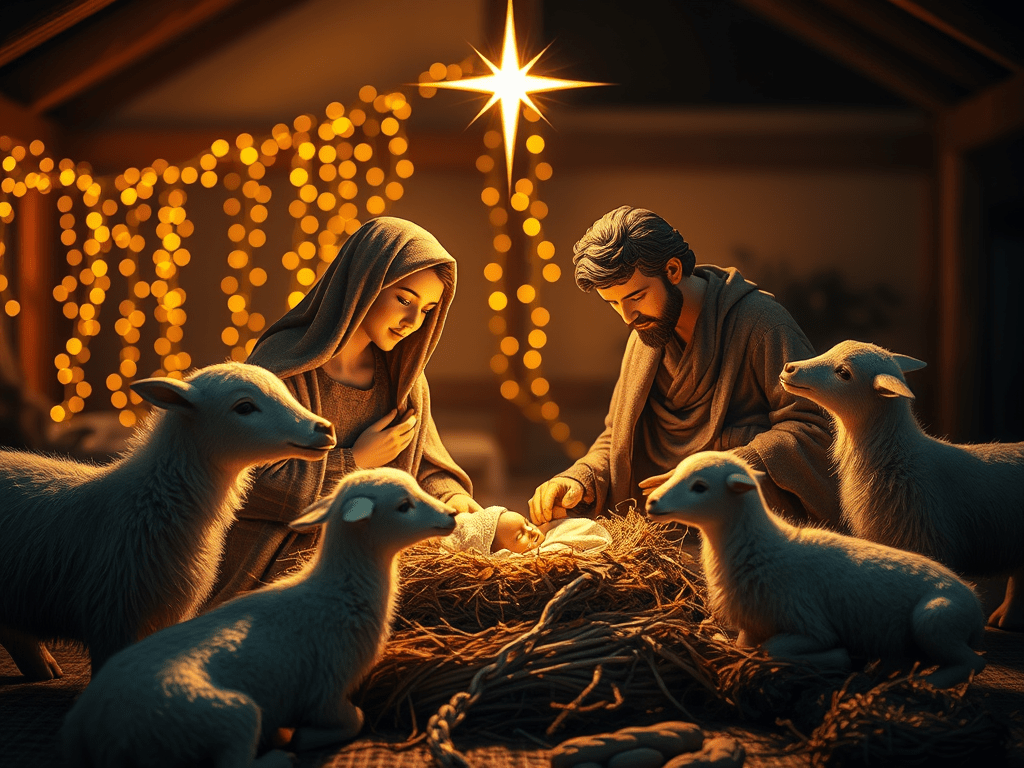
This Christmas season, the focus is on the birth of Jesus Christ, embodying God’s will for mercy and salvation. The reflections emphasize the significance of His coming, as foretold by prophets, and highlight the purpose of Jesus’ life to fulfill the Father’s will. Celebrating this gift reminds us to align with God’s will for eternal life.
Holding Fast to God’s Design: My Thoughts on Gender and Sexuality in a Changing World

Beloved in Christ, As I ponder the times in which we live, I find myself grieved by how far the world has strayed from the clear teaching of God’s Word on matters of gender and human sexuality. In this age, many declare that a person may define their own identity, that gender is fluid, andContinue reading “Holding Fast to God’s Design: My Thoughts on Gender and Sexuality in a Changing World”
 Grow Stronger Roots