
In John 15:1-8, Jesus uses the metaphor of the vine and branches to emphasize the importance of remaining connected to Him for spiritual fruitfulness. This teaching, given before His crucifixion, invites believers to abide in Christ, contrasting superficial religion with genuine reliance on Him, which leads to true discipleship and lasting fruit.
Category Archives: Testimony
Understanding John 6: 32-58 The Bread That Gives Life

In John 6:32–58, Jesus identifies Himself as the “bread of life,” emphasizing His role as essential for spiritual sustenance. Against the historical context of first-century Israel’s struggles, He redirects the people’s focus from their past to His present reality. Belief in Him offers eternal life, transforming daily dependence on worldly distractions into genuine spiritual fulfillment.
Jesus and the Gift of Everlasting Life John 4:10-14 and 7:37-39

In John 4 and 7, Jesus emphasizes his role as the source of “living water,” which satisfies the inner thirst of the human heart for love, purpose, and fulfillment. This transformative water, representing the Holy Spirit, flows from believers and enables them to live out meaningful lives, impacting others. The story of a man named Daniel illustrates this journey from emptiness to spiritual renewal through faith in Jesus.
From Darkness to Light: Understanding John 8:12 and 12:36

In John 8:12 and 12:35-36, Jesus identifies as the “light of the world,” prompting a response from listeners. He emphasizes the importance of following Him to avoid spiritual darkness and highlights the urgency of belief during His presence. Through personal transformation, believers become “children of light,” reflecting Christ’s character in daily life.
Suffering and Fruitfulness: Lessons from John 12:24

Jesus’ parable of the grain of wheat in John 12:24 highlights how his impending death leads to greater fruitfulness. It symbolizes a path of sacrifice and glory not just for Christ, but for all who follow him. Surrendering our self-interest is essential for spiritual growth and ultimately brings abundant life.
The Good Shepherd and the Door: Hearing Christ’s Voice in John 10:1–18
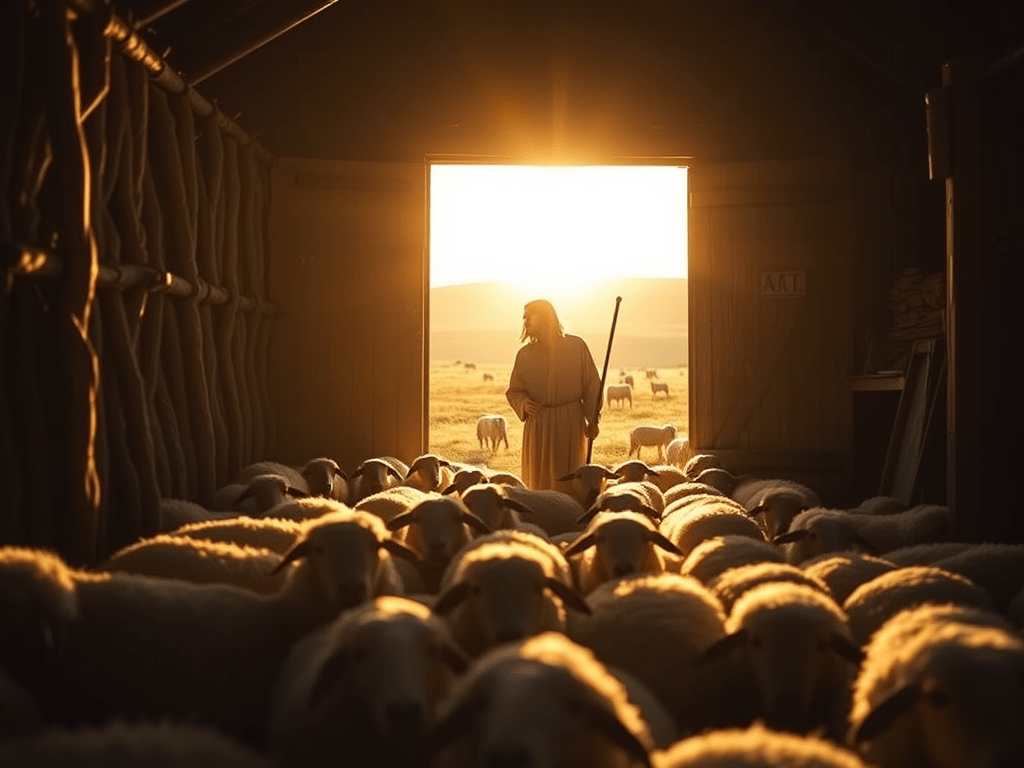
In John 10:1-18, Jesus reveals himself as both the true shepherd and the door to salvation. He emphasizes the importance of recognizing his voice over false shepherds, who offer destruction rather than life. His sacrificial love provides security and abundant life, inviting all to trust and follow him amidst competing voices.
The Rise of AI and What It Means for New Believers

Artificial Intelligence is impacting all aspects of life, causing confusion for new Christians about its place in God’s plan. Scripture reassures believers of God’s control over the future. Instead of fear, Christians are encouraged to focus on faith, wisdom, and sharing the gospel, maintaining hope amid technological advancements.
From One Pound to Ten Cities: The Surprising Rewards in Luke 19:11–27 KJV

Between Christ’s ascension and His return, we live in the tension of a kingdom already announced but not yet seen. In Luke 19:11–27 (KJV), the parable of the ten minas exposes fearful inaction, rewards bold faithfulness, and asks a piercing question: what are you doing with what the King entrusted?
Humility in Faith: Lessons from Jesus’ Parable. Luke 18:9-14

In this parable, Jesus confronts a very religious culture and shows that only humble, repentant faith—not spiritual performance—makes a person right with God, a truth that speaks directly to modern Christian life. The text in KJV 9 And he spake this parable unto certain which trusted in themselves that they were righteous, and despised others: 10 TwoContinue reading “Humility in Faith: Lessons from Jesus’ Parable. Luke 18:9-14”
Faith and Perseverance in Prayer: Lessons from Luke 18: 1-8

In first-century Judea, widows were vulnerable and often ignored by corrupt judges. Jesus’ parable of a persistent widow teaches the importance of unwavering prayer and trust in God, contrasting the unjust judge with the divine’s righteousness. Believers are encouraged to maintain faith and advocate for justice, despite delays in answers.
 Grow Stronger Roots