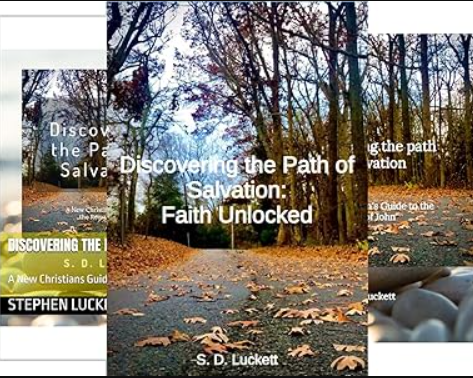
Stephen Luckett’s Discovering the Path of Salvation series is a six‑book journey designed to guide new and growing Christians through foundational truths, devotional practices, and spiritual warfare. It blends biblical study with practical application, making it a rich resource for anyone seeking to deepen their faith. Overview of the Series Stephen Luckett’s Discovering the PathContinue reading “Discovering the Path of Salvation Book Series by Stephen Luckett”
Category Archives: salvation
The Lord is My Strength: Finding Joy in Every Season

An Encouragement from the Bible Beloved, there is a song that rises even in the midnight hour. There is a joy that the world “neither giveth nor taketh away.” The Scriptures declare it plainly: “The joy of the LORD is your strength.” (Nehemiah 8:10) In a day when many hearts faint for fear, when theContinue reading “The Lord is My Strength: Finding Joy in Every Season”
Light in the Darkness: A Reflection from John 1 (KJV)

The opening verses of the Gospel of John highlight the significance of light as a symbol of truth, hope, and guidance amidst modern challenges. Emphasizing that darkness cannot overcome light, the message encourages living with clarity and compassion while anchoring oneself in faith. This light will continue to shine through believers today.
Paul’s Letter to the Galatians: Freedom in Christ

The Epistle to the Galatians, written by Paul around AD 53–54, addresses the influence of Judaizers who required Gentile Christians to obey Jewish law for salvation. Paul emphasizes justification by faith, freedom in Christ, life through the Spirit, and unity in the gospel, urging believers to reject legalism and embrace grace.
Paul’s Letters to the Corinthians: Guidance for a Troubled Church

The church at Corinth faced significant challenges, including divisions and moral issues. Paul’s letters emphasize unity, love, and the importance of grace amidst trials. He urges believers to live holy lives and affirms the significance of spiritual gifts. Ultimately, his messages aim for encouragement and spiritual growth in a complex world.
The Epistle to the Romans: Paul’s Masterpiece of the Gospel

The Book of Romans, written by Paul around A.D. 57, serves as a theological foundation for Christian faith. It discusses sin, justification by faith, and life in the Spirit, emphasizing salvation for all. Paul encourages believers in Rome to live transformed lives characterized by humility and service, offering profound insights into grace.
Paul and His Letters to the Churches: A Legacy of Faith

The Apostle Paul’s letters, essential to the New Testament, provide guidance to early Christian communities addressing various challenges. His epistles emphasize key theological principles like justification by faith, unity, and grace, transforming lives and shaping church doctrine. Paul inspires modern readers to embrace faith, unity, and hope amidst trials.
Small Group Bible Study: Gratitude

The session focuses on the theme of gratitude, encouraging participants to express thanks through scripture readings, discussions, and activities. Members share what they’re thankful for, reflect on biblical verses, and participate in a gratitude practice. The gathering aims to foster community and deepen appreciation for God’s gifts.
The Transformative Power of Gratitude

Gratitude is portrayed as a transformative spiritual discipline that fosters joy, peace, and connection with God. Through biblical exhortations, it is shown as essential in every circumstance, enhancing faith and resilience. Ultimately, cultivating thankfulness leads to deeper appreciation for salvation and invites divine blessings, reflecting God’s character and intentions.
The Power of Forgive and Forget: A Biblical Perspective

In a world where grudges linger, “forgive and forget” is a profound act of grace rooted in Scripture. God exemplifies forgiveness by erasing our sins, expecting us to do the same for others. This journey requires deliberate responses to painful memories, fostering healing, peace, and reflecting God’s mercy in our relationships.
 Grow Stronger Roots