
In Luke 13:18–19, Jesus compares the kingdom of God to a mustard seed, illustrating its small beginnings and significant growth. Contextualized by Jesus’ healing of a woman, the parable emphasizes divine grace over human power. It calls believers to plant seeds of faith, trusting in God’s unseen work for growth and transformation.
Category Archives: Jesus
The Urgency of Bearing Fruit: Insights from Luke 13:6-9

The parable of the barren fig tree reveals God’s expectations and mercy, emphasizing the urgency for believers to produce spiritual fruit. Jesus warns that continued unfruitfulness will lead to judgment, while the vinedresser’s intercession represents Christ’s patience. The message encourages self-examination, repentance, and active engagement in spiritual growth.
How to Pray Effectively: A Biblical Guide

Prayer is a divine communication between believers and God, shaped by Scripture. It involves adoration, confession, thanksgiving, and supplication, reliant on a righteous heart and faith. Essential to this practice is aligning requests with God’s will, supported by the Holy Spirit. Through prayer, believers deepen their relationship with God.
Living as Christ’s Steward: A Guide to Responsibility. Luke 12:42-48
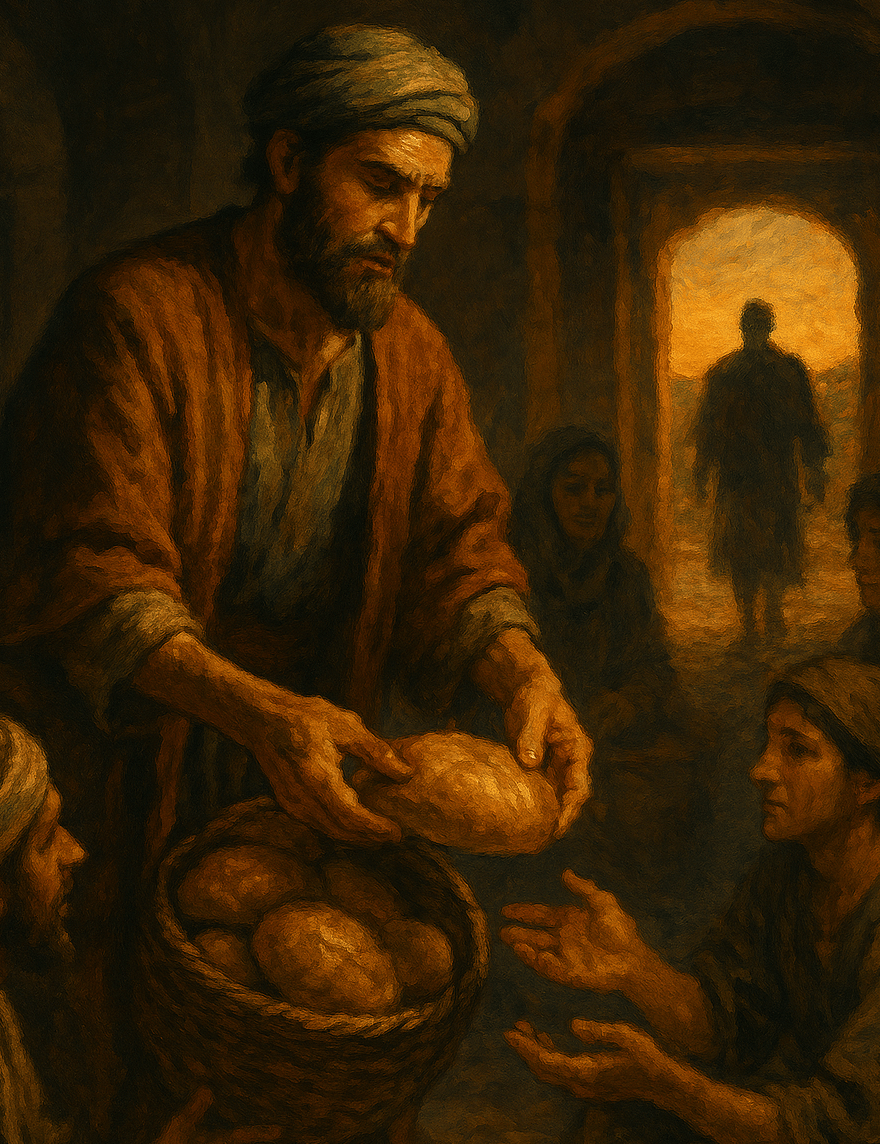
When Jesus calls us stewards, not owners, everything changes. This post explores Luke 12:42–48 and why unseen faithfulness, delayed answers, and our quiet daily choices matter so much to the returning Master. Are you living as if He’s really coming back?
The Parable of Readiness: Lessons from Jesus. Luke 12:35-40

Luke 12:35-40 emphasizes the importance of being spiritually prepared for Jesus’ return. Through a parable, Jesus encourages believers to remain alert, illustrating readiness by staying dressed for action and keeping lamps burning. The story highlights a master unexpectedly serving his servants, illustrating Christ’s loving nature. Faithfulness is essential, especially during challenging times, and readiness involves consistent obedience, active faith, open-handed stewardship, and love. Ultimately, believers are prompted to reflect on their spiritual alertness and readiness for Christ’s return.
“Lord, Lord”: When Words Are Not Enough (Matthew 7:21–24)

The passage from Matthew 7:21-24 emphasizes that mere verbal acknowledgment of Jesus as Lord is insufficient for salvation. True saving faith is evidenced by obedience to God’s will. The passage warns that many may face rejection on judgment day despite religious activity. Self-examination is crucial to ensure genuine faith.
Living Rich Toward God: Insights from Luke 12:16-21

Jesus’ parable of the rich fool in Luke 12:16–21 warns against the folly of prioritizing material wealth over spiritual richness. The story highlights the dangers of self-centered planning and neglecting God in favor of earthly comforts. True fulfillment comes from treasuring God and investing in eternity, not merely accumulating possessions.
No Neutrality: Your Choice in Christ’s Kingdom Luke 11:14-23

In Luke 11:14-23, Jesus demonstrates His authority over dark powers by casting out a demon from a mute man, symbolizing salvation’s transformative power. The passage reveals human hearts’ divided responses to Jesus’ miracles, emphasizing the absence of neutrality: one must choose to gather with or scatter against Him, reflecting a personal commitment to faith.
Understanding the Parable of Midnight Requests Luke 11:5

In Luke 11, Jesus shares a parable about persistent prayer through the story of a man seeking bread at midnight from a friend. This illustrates the importance of bold, continuous asking in prayer, reflecting trust in God’s goodness. Believers are encouraged to seek God’s presence and persist in prayer, knowing He provides generously.
Good Samaritan Parable: Lessons from Luke 10:30–37

Discover the meaning of the Good Samaritan in Luke 10:30–37 (KJV). This post explores Jesus’ parable, what it teaches about true neighborly love, practical mercy, and how Christians today can live out Christlike compassion in everyday situations.
 Grow Stronger Roots