
Spiritual warfare is the daily, unseen conflict between God’s forces and evil. Believers engage through truth, righteousness, and faith, utilizing the armor of God as defense against temptation and doubt. Each piece of armor empowers spiritual readiness, while prayer acts as a potent weapon. Victory is found in trusting Christ’s completed work.
Category Archives: Evangelism
Small Group Study: What Makes Christianity Unique?

This session aims to explore the unique beliefs of Christianity, focusing on its distinction from other religions. Through scripture discussion and group activities, participants will reflect on salvation, Jesus’ role, and personal relationships with God. The session concludes with prayer and encourages sharing insights beyond the group.
Why Christianity Stands Out Among Religions
Christianity is distinct for its belief in Jesus Christ as the Son of God and Savior, its emphasis on grace for salvation rather than works, and the significance of the crucifixion and resurrection. The Bible serves as divine revelation, promoting a personal relationship with God while encouraging global evangelism.
Newest Book is Out! AI, the Internet, and Christ’s Return
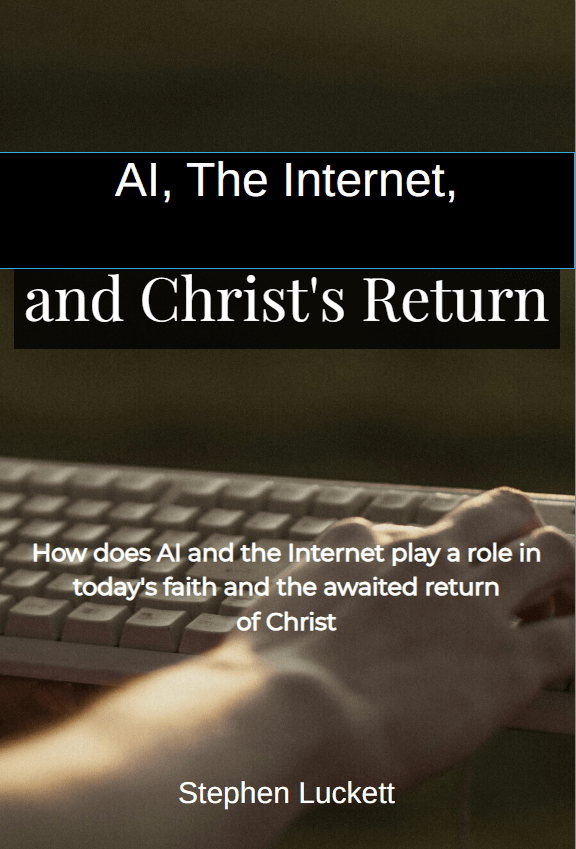
“AI, the Internet and the Return of Christ” is a new book exploring the intersection of faith and technology within the Digital Revolution. It encourages Christians to engage with AI and online platforms to enhance spirituality and outreach, while remaining grounded in Scripture. The author aims to connect technological advancements with biblical prophecy and foster dialogue on using these tools for sharing hope and faith in a complex world.
Why Do I Have to Attend Church Every Week?

The simple answer is you DO NOT HAVE TO attend church every week-BUT you should want to for many reasons. Early believers did not attend church, but they did meet every DAY in small groups in homes to learn and grow in Christ. As an evangelical Christian, attending church isn’t just a tradition—it’s a vitalContinue reading “Why Do I Have to Attend Church Every Week?”
How Deep Is Your Faith
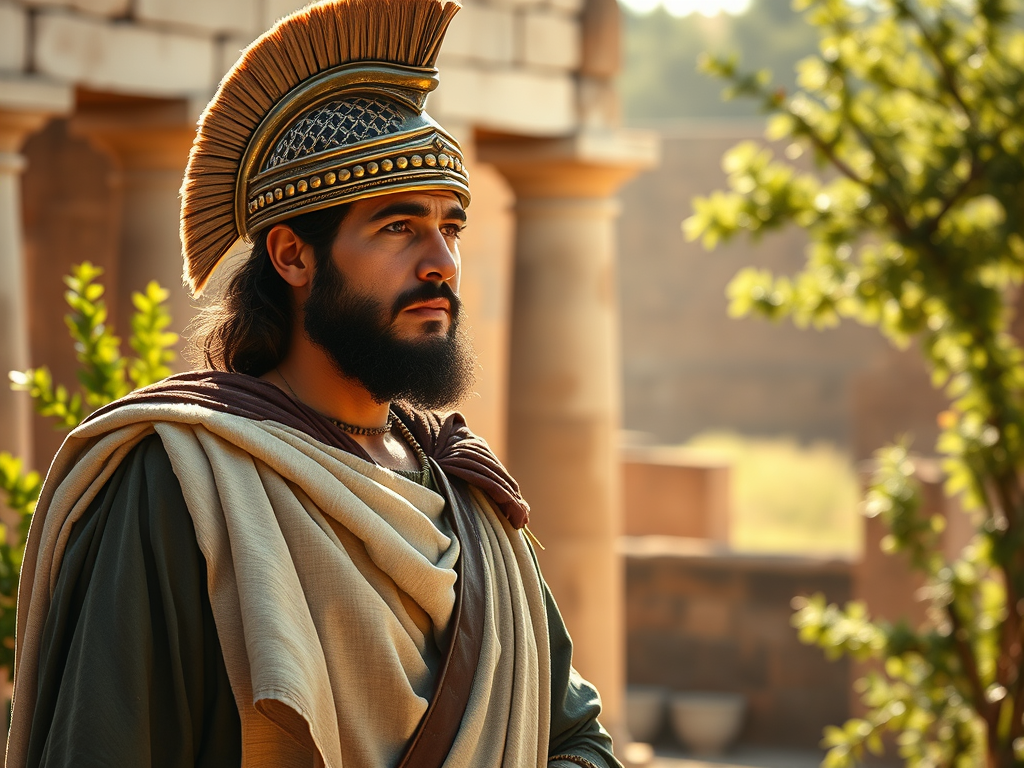
The accounts of a Roman centurion in Matthew and Luke highlight his remarkable faith in Jesus, illustrating humility and understanding of divine authority. Despite being a Gentile, he impresses Jesus with his trust that a mere command can heal his servant, prompting reflections on faith, intercession, and God’s mercy transcending cultural boundaries.
What Bible Do I Need?

Selecting the right Bible translation depends on your needs for accuracy, readability, or depth. Popular options include the NIV for balance, ESV for study, NLT for clarity, KJV for literary style, and NASB for precision. It’s essential to engage with the Bible daily and use various translations to enhance understanding.
Blind Intervention: Seeing God’s Hand When We Cannot

The story of Balaam and his donkey in Numbers 22 illustrates divine intervention veiled from human awareness. Balaam’s spiritual blindness led him to ignore God’s warnings, while his donkey recognized danger. This narrative urges us to acknowledge God’s hidden guidance, reminding us that obstacles may serve as protective measures rather than mere frustrations.
The Glory of Christ and the Fulfillment of His Mission: A Reflection on John 17:4-5

In John 17:4-5, Jesus expresses His deep communion with the Father, acknowledging His obedience and completion of His divine mission. He anticipates returning to the glory shared with the Father before creation. This moment encourages believers to reflect on how they can glorify God in their own lives, following Christ’s example.
The Challenge of Wealth and the Power of God

In Matthew 19:23-26, Jesus teaches about the challenges wealth poses to salvation, using the metaphor of a camel passing through the eye of a needle. This illustrates the difficulty rich individuals face in surrendering to God. Ultimately, Jesus emphasizes that salvation relies on divine grace, not human efforts or riches.
 Grow Stronger Roots