
In John 8:12 and 12:35-36, Jesus identifies as the “light of the world,” prompting a response from listeners. He emphasizes the importance of following Him to avoid spiritual darkness and highlights the urgency of belief during His presence. Through personal transformation, believers become “children of light,” reflecting Christ’s character in daily life.
Category Archives: Discipleship
Suffering and Fruitfulness: Lessons from John 12:24

Jesus’ parable of the grain of wheat in John 12:24 highlights how his impending death leads to greater fruitfulness. It symbolizes a path of sacrifice and glory not just for Christ, but for all who follow him. Surrendering our self-interest is essential for spiritual growth and ultimately brings abundant life.
The Good Shepherd and the Door: Hearing Christ’s Voice in John 10:1–18
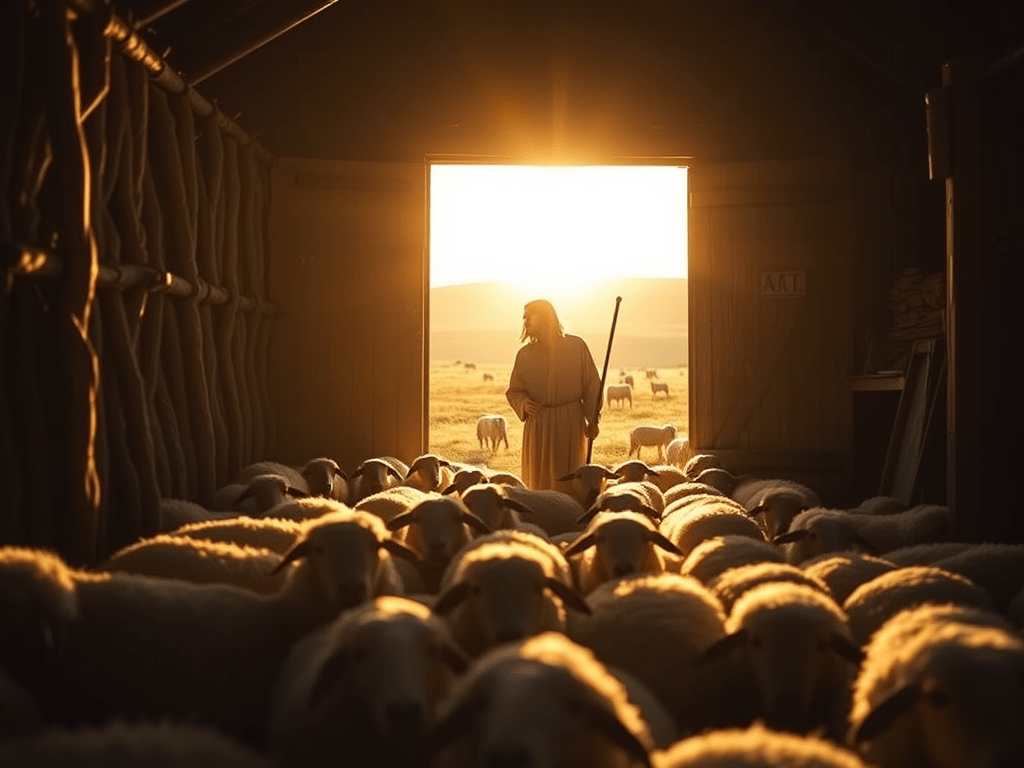
In John 10:1-18, Jesus reveals himself as both the true shepherd and the door to salvation. He emphasizes the importance of recognizing his voice over false shepherds, who offer destruction rather than life. His sacrificial love provides security and abundant life, inviting all to trust and follow him amidst competing voices.
From One Pound to Ten Cities: The Surprising Rewards in Luke 19:11–27 KJV

Between Christ’s ascension and His return, we live in the tension of a kingdom already announced but not yet seen. In Luke 19:11–27 (KJV), the parable of the ten minas exposes fearful inaction, rewards bold faithfulness, and asks a piercing question: what are you doing with what the King entrusted?
The Rich Man and Lazarus: Seeing Beyond This Life Luke 16:19–31

In Jesus’ parable of the rich man and Lazarus, two men lead contrasting lives, marked by wealth and poverty. After death, their fates reverse, highlighting the consequences of indifference and spiritual blindness. The story emphasizes the importance of compassion and awareness of eternal realities, urging us to care for those in need around us.
The Parable of the Unjust Steward: Wisdom in a Worldly Story Luke 16:1–13

In Luke 16:1–13, Jesus shares the parable of the unjust steward, illustrating the importance of wisdom in stewardship and loyalty. The steward’s dishonest actions serve as a lesson on proactive planning and faithful resource management. Ultimately, Jesus emphasizes choosing eternal values over temporary wealth, urging followers to invest in goodness and righteousness.
“The Lost Coin: God’s Diligent Search for the Lost”. Luke 15:8–10 (KJV)

The parable of the lost coin illustrates God’s persistent love for the lost. Just as a woman diligently searches for a lost coin, God seeks out those who are lost, emphasizing the value of each soul. Heaven rejoices over every sinner who repents, reflecting God’s heart toward redemption.
The Joy of Finding the Lost: A Reflection on Luke 15:3–7 (KJV)

In Luke 15:3–7, Jesus illustrates God’s heart through the parable of the lost sheep, emphasizing His relentless pursuit of lost souls. Responding to criticism from religious leaders, Jesus highlights that every individual is precious to God. True repentance brings joy, and the church should reflect this relentless love and celebration of restoration.
Counting the Cost: A Teaching Reflection on Luke 14:28–33 (KJV)

In Luke 14:28–33, Jesus emphasizes the serious commitment required for discipleship through two parables: the tower builder and the warring king. He teaches that true followers must evaluate the costs of their faith, sacrificing personal desires and possessions for a deeper relationship with Him. Discipleship requires enduring loyalty and reflection.
The Great Invitation: A Reflection on Luke 14:15–24 (KJV)

Jesus’ parable in Luke 14:15–24 illustrates God’s invitation to His kingdom, emphasizing that many who are invited make excuses, revealing a lack of true commitment. The story underscores divine grace and the inclusion of the marginalized, highlighting that salvation requires acceptance. Ultimately, it challenges believers to prioritize their faith and respond to God’s call.
 Grow Stronger Roots