
The prayer of Jabez shows how my simple cry to God can transform a life marked by pain into a testimony of blessing, even when my story seems small and hidden. The short prayer in 1 Chronicles teaches me how to seek God with faith, humility, and dependence. My heart is captured by the words:Continue reading “How the Prayer of Jabez Brings God’s Favor”
Category Archives: Discipleship
The Bee in the Car: A Heartfelt Story of Sacrifice and Christ’s Love

A young girl with a dangerous bee allergy is trapped in a car when a bee slips inside. Her father calmly protects her, taking the sting himself and releasing the bee after it stings him. This moving story becomes a powerful picture of Christ’s sacrificial love and rescue.
Understanding the Crimson Worm’s Connection to the Gospel
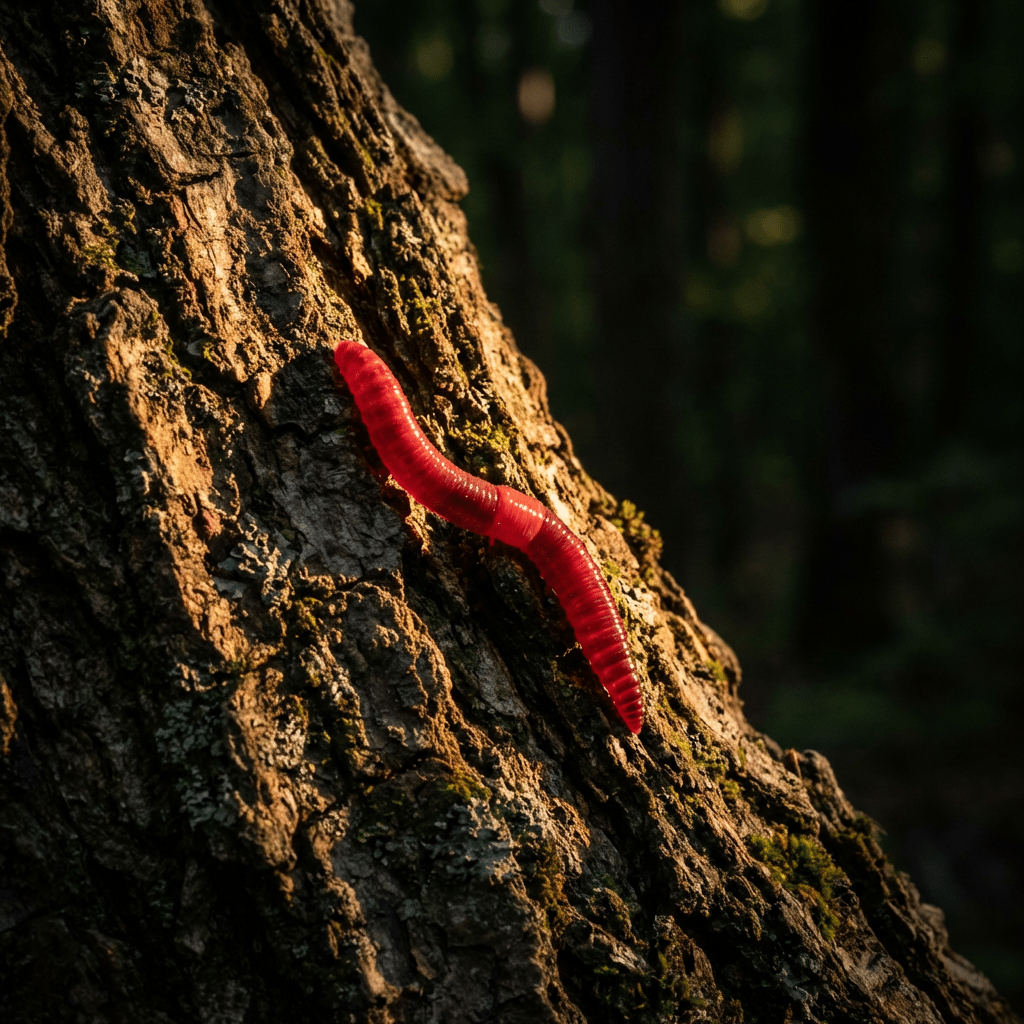
The crimson worm serves as a powerful metaphor for Christ’s sacrifice and resurrection, illustrating themes of humility, cleansing, and renewal. Its life cycle—highlighting attachment to wood, scarlet blood, and transformation—echoes biblical teachings, emphasizing how even the smallest creature can symbolize profound spiritual truths about love and salvation.
Understanding True Faith and Abiding in Christ
Abiding in faith in Christ involves a deep, surrendered relationship with Him, relying solely on His grace for salvation and strength. True believers remain connected through prayer and obedience, producing spiritual fruit that reflects holiness and humility. This relationship not only sustains during trials but also fosters continuous growth in faith and love.
How a Biblical View of Stewardship Changes the Way We Handle Money

The Other 90% Belongs to God Stewardship and Faithful Living A common question in conversations about tithing is this: if the first 10% belongs to God, what about the other 90%? The Bible’s answer is that the 90% also belongs to Him. The tithe is not meant to teach that only a small portion isContinue reading “How a Biblical View of Stewardship Changes the Way We Handle Money”
When God Says, “The Lord Bless Thee”: An Old Blessing for a New Life Numbers 6:22-27
The passage explores the significance of Numbers 6:24-26, a blessing from God given to the Israelites, highlighting its enduring relevance today. It conveys God’s desire for relationship, grace, and peace, emphasizing that faith and blessings are accessible to all, not reliant on personal merit but on God’s nature through Jesus Christ.
Continuity and Change: The Church from Past to Present

The article explores the continuity and change between the early church and modern Christianity, highlighting similarities in core teachings and mission while addressing differences in worship style, community dynamics, and church structure. It emphasizes the need for contemporary believers to retain the essence of their faith amid evolving cultural contexts without romanticizing the past.
The Miraculous Catch: Embracing Grace in John 21:1–14
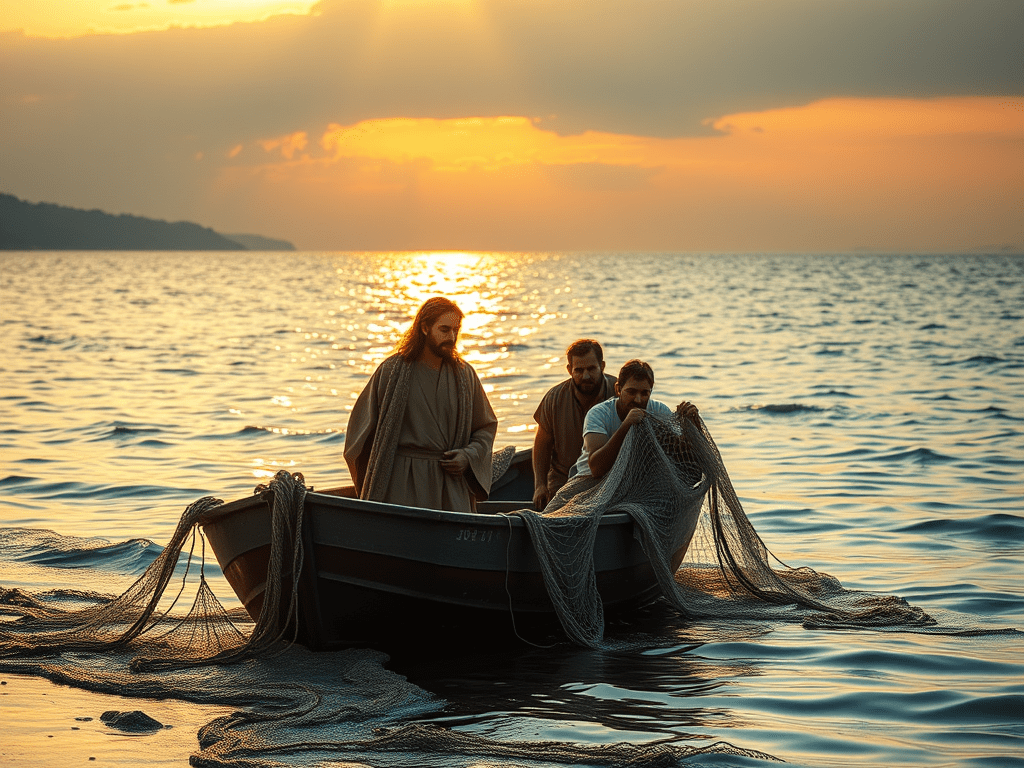
In John 21:1–14, the risen Jesus encounters His weary disciples at the Sea of Tiberias, where their fruitless fishing mirrors their emotional emptiness. Through His guidance, they catch a multitude of fish, symbolizing His grace. Ultimately, Jesus invites them to a meal, emphasizing restoration and ongoing fellowship amid their struggles.
Abide in Christ: Lessons from John 15:1-8

In John 15:1-8, Jesus uses the metaphor of the vine and branches to emphasize the importance of remaining connected to Him for spiritual fruitfulness. This teaching, given before His crucifixion, invites believers to abide in Christ, contrasting superficial religion with genuine reliance on Him, which leads to true discipleship and lasting fruit.
Understanding John 6: 32-58 The Bread That Gives Life

In John 6:32–58, Jesus identifies Himself as the “bread of life,” emphasizing His role as essential for spiritual sustenance. Against the historical context of first-century Israel’s struggles, He redirects the people’s focus from their past to His present reality. Belief in Him offers eternal life, transforming daily dependence on worldly distractions into genuine spiritual fulfillment.
 Grow Stronger Roots