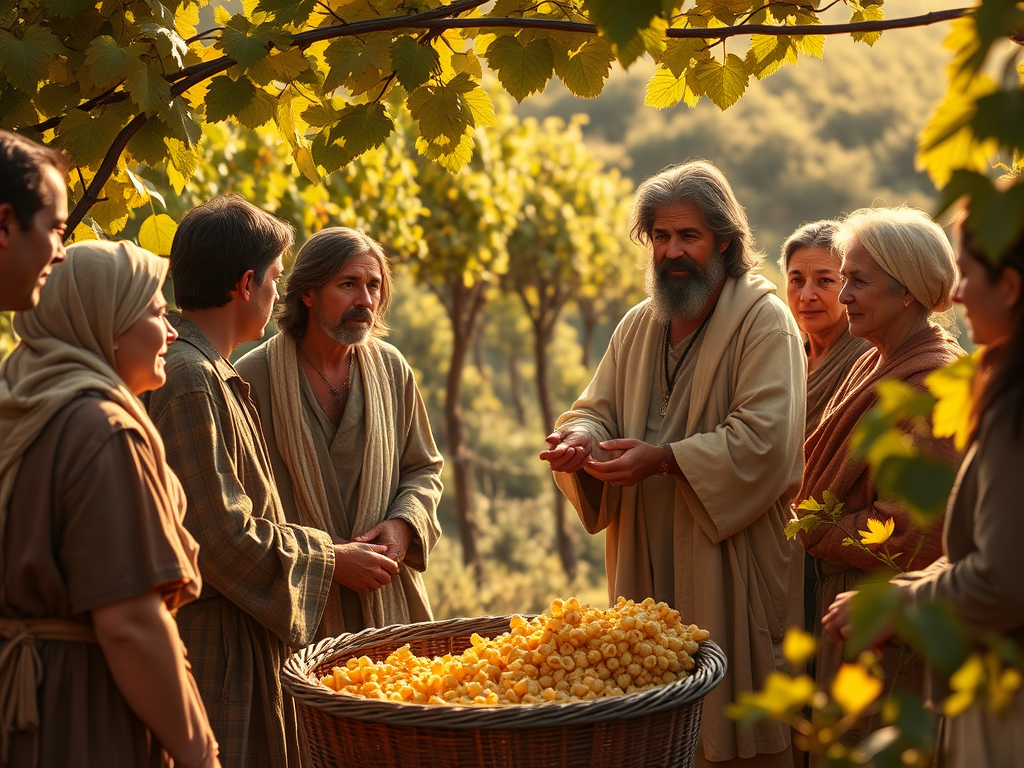
Paul and His Letters to the Churches: A Legacy of Faith

The Apostle Paul stands as one of the most influential figures in Christian history. His letters—known as epistles—form a significant portion of the New Testament and provide timeless guidance for believers. Written to churches across the Roman world, these letters reveal Paul’s pastoral heart, theological depth, and unwavering commitment to the gospel.

Why Paul Wrote Letters

Paul’s missionary journeys took him to cities like Corinth, Galatia, Ephesus, Philippi, and Thessalonica. After establishing churches, he often wrote back to encourage, correct, and strengthen them. His letters addressed real challenges: divisions, false teachings, persecution, and questions about Christian living.

“Grace be unto you, and peace, from God our Father, and from the Lord Jesus Christ.” (Philippians 1:2, KJV)

This greeting, repeated in many epistles, reflects Paul’s desire to ground every church in God’s grace and peace.

Letters to Specific Churches

  • Romans: A theological masterpiece explaining justification by faith. “Therefore being justified by faith, we have peace with God through our Lord Jesus Christ.” (Romans 5:1, KJV)
  • Corinthians: Addressed divisions, immorality, and spiritual gifts. “For the preaching of the cross is to them that perish foolishness; but unto us which are saved it is the power of God.” (1 Corinthians 1:18, KJV)
  • Galatians: Defended the gospel against legalism. “Stand fast therefore in the liberty wherewith Christ hath made us free…” (Galatians 5:1, KJV)
  • Ephesians: Focused on unity in Christ and the armor of God. “Put on the whole armour of God, that ye may be able to stand against the wiles of the devil.” (Ephesians 6:11, KJV)
  • Philippians: A letter of joy written from prison. “Rejoice in the Lord alway: and again I say, Rejoice.” (Philippians 4:4, KJV)
  • Colossians: Emphasized Christ’s supremacy. “And he is before all things, and by him all things consist.” (Colossians 1:17, KJV)
  • Thessalonians: Encouraged perseverance and hope in Christ’s return. “For the Lord himself shall descend from heaven with a shout…” (1 Thessalonians 4:16, KJV)

The Impact of Paul’s Letters

Paul’s epistles were not abstract theology but living words for real communities. They shaped the early church’s understanding of salvation, unity, and holiness. Today, they continue to guide believers in faith, doctrine, and daily living.

“All scripture is given by inspiration of God, and is profitable for doctrine, for reproof, for correction, for instruction in righteousness.” (2 Timothy 3:16, KJV)

Lessons for Modern Readers

  • Faith over works: Salvation is by grace through faith, not human effort.
  • Unity in diversity: Churches must embrace cultural differences while holding fast to Christ.
  • Hope in trials: Paul’s prison letters remind us that joy is possible even in suffering.

Paul’s letters are more than ancient correspondence—they are Spirit-inspired truths that continue to transform lives. His words echo across centuries, calling believers to stand firm in Christ, walk in love, and await the blessed hope of His return.

I will be writing a series about each of the Pauline letters coming in the next few days.

Small Group Bible Study: Gratitude

The Power of Gratitude Scripture: King James Version (KJV) Duration: 45–60 minutes Group Size: 4–12 Supplies: KJV Bibles, pens, printed handouts (optional), gratitude journals or index cards.


1. WELCOME & ICEBREAKER (5 min)

Leader: “In one word, what’s something you’re thankful for right now?” Go around the circle. No explanations—just one word each.


2. OPENING PRAYER (2 min)

“O give thanks unto the LORD; for he is good: for his mercy endureth for ever” (Psalm 136:1, KJV). Leader prays: Thank God for His goodness and for gathering the group.


3. SCRIPTURE READING (10 min)

Leader reads aloud (or assign rotating readers):

  1. 1 Thessalonians 5:18 – “In every thing give thanks…”
  2. Psalm 100:4 – “Enter into his gates with thanksgiving…”
  3. Philippians 4:6-7 – “Be careful for nothing; but…with thanksgiving…”
  4. 2 Corinthians 9:15 – “Thanks be unto God for his unspeakable gift.”
  5. Luke 17:15-16 – The one leper who returned.

Pause after each verse. Ask: What phrase stands out to you?


4. DISCUSSION QUESTIONS (20–25 min)

Use these in order. Encourage everyone to speak at least once.

  1. 1 Thess. 5:18 says “in every thing give thanks.” → What’s the hardest situation you’ve ever tried to thank God in?How can gratitude change a trial instead of denying it?
  2. Psalm 100:4 calls thanksgiving the gate to God’s presence. → When have you felt closest to God during a moment of thanks?
  3. Phil. 4:6-7 links thanksgiving in prayer to God’s peace. → What worry are you carrying this week?How might naming one blessing shift your prayer?
  4. 2 Cor. 9:15 & Luke 17:15-16 focus on Christ and the healed leper. → What’s one way Jesus’ “unspeakable gift” makes you grateful today?Why do you think only one leper returned?

5. APPLICATION CHALLENGE (10 min)

“3×3 Gratitude Practice”

  1. Tonight: Write 3 things you’re thankful for on an index card.
  2. Tomorrow: Pray Philippians 4:6-7 over one worry, starting with thanks.
  3. Next meeting: Bring your card to share one item aloud.

Leader: “Let’s text each other one gratitude each day this week—keep it short!”


6. CLOSING PRAYER CIRCLE (5 min)

Popcorn style: Each person finishes the sentence:

“Lord, I thank You for…” End with the leader praying Psalm 92:1: “It is a good thing to give thanks unto the LORD…”


Leader Tip: Model vulnerability. If discussion lags, share a personal story first. End on time—gratitude grows in community, not pressure.

The Transformative Power of Gratitude

In a world often dominated by complaints and comparisons, gratitude stands as a quiet rebellion—a choice to focus on abundance rather than lack. The Bible, particularly in the majestic language of the King James Version (KJV), repeatedly exhorts us to give thanks, revealing gratitude not as a fleeting emotion but as a powerful spiritual discipline. It reshapes our hearts, strengthens our faith, and draws us closer to God. Let us explore this divine principle through Scripture, uncovering how thankfulness unleashes joy, peace, and victory in our lives.

Gratitude as a Command and a Pathway to God’s Will

The Apostle Paul, writing from a Roman prison, penned one of the clearest calls to thanksgiving: “In every thing give thanks: for this is the will of God in Christ Jesus concerning you” (1 Thessalonians 5:18, KJV). Notice the phrase “in every thing”—not just in prosperity, but amid trials. Gratitude aligns us with God’s sovereign plan, transforming ordinary moments into opportunities for worship.

Consider the Israelites in the wilderness. Despite manna from heaven, they murmured against God (Exodus 16). Their ingratitude led to wandering; yet when they praised Him, provision flowed. Today, thanking God in “every thing” shifts our perspective, reminding us that no circumstance is beyond His redemption.

The Joy and Strength Born of Thankfulness

Enter into his gates with thanksgiving, and into his courts with praise: be thankful unto him and bless his name” (Psalm 100:4, KJV). This psalm portrays gratitude as the doorway to God’s presence. In a culture chasing happiness through possessions, the Bible declares that true joy springs from a thankful heart.

Nehemiah echoed this amid Jerusalem’s ruins: “The joy of the LORD is your strength” (Nehemiah 8:10, KJV), spoken as the people wept over their sins but were urged to feast and rejoice. Gratitude fuels resilience; it reminds us of God’s past faithfulness, empowering us to face the future. Scientific studies affirm this—grateful people report lower stress and greater life satisfaction—but Scripture knew it first.

Thanksgiving in Prayer: A Weapon Against Anxiety

“Be careful for nothing; but in every thing by prayer and supplication with thanksgiving let your requests be made known unto God. And the peace of God, which passeth all understanding, shall keep your hearts and minds through Christ Jesus” (Philippians 4:6-7, KJV). Here, Paul links gratitude directly to peace. Worry paralyzes, but thankfulness in prayer invites divine guardianship over our thoughts.

Imagine presenting burdens to God while recounting His blessings: healed relationships, daily bread, eternal salvation. This practice doesn’t deny pain; it elevates praise above problems. As the hymn writer penned, “Count your blessings, name them one by one”—a biblical echo that silences anxiety’s roar.

The Eternal Perspective: Thanks for Salvation’s Gift

Ultimately, gratitude culminates in awe at Christ’s sacrifice. “Thanks be unto God for his unspeakable gift” (2 Corinthians 9:15, KJV). Jesus, on the night of betrayal, gave thanks before breaking bread (Matthew 26:27)—a profound act foreshadowing the Eucharist. In Communion, we remember not just the cross, but the gratitude it inspires.

The ten lepers healed by Jesus illustrate ingratitude’s tragedy: only one returned to give thanks (Luke 17:11-19). That Samaritan received wholeness beyond physical healing. Likewise, thanking God for salvation deepens our faith, making us vessels of His grace to others.

Cultivating a Lifestyle of Gratitude

Scripture doesn’t leave us with theory; it calls for action. “O give thanks unto the LORD; for he is good: for his mercy endureth for ever” (Psalm 136:1, KJV). Start a gratitude journal, echoing the psalmist’s refrain. Share testimonies in community, as Paul urged: “Speaking to yourselves in psalms and hymns and spiritual songs, singing and making melody in your heart to the Lord; Giving thanks always for all things unto God and the Father in the name of our Lord Jesus Christ” (Ephesians 5:19-20, KJV).

In trials, recall Joseph’s prison-to-palace journey, forged in faithfulness. In abundance, avoid David’s census sin of pride (2 Samuel 24). Gratitude guards the heart.

Conclusion: Unleash the Power Today

The power of gratitude lies in its divine origin—it reflects God’s character and invites His blessings. As we heed the KJV’s timeless words, let thankfulness become our default response. It heals wounds, fortifies faith, and glorifies the Giver of every good gift (James 1:17). Begin now: What are you thankful for? Voice it, live it, and watch transformation unfold. “It is a good thing to give thanks unto the LORD, and to sing praises unto thy name, O most High” (Psalm 92:1, KJV). Amen.

Small Group Study: “Forgive… But Don’t Pretend to Forget”

Theme: Biblical forgiveness is not amnesia—it’s mastery over memory. Text: Selected KJV verses (provided below) Time: 45–60 minutes Group size: 4–12 Supplies: Bibles, printed verse sheets, pens, index cards. Follows post: Forgive and Forget: A Biblical Perspective.


1. WELCOME & ICEBREAKER (5 min)

Question (go around): “What’s one childhood memory you can’t shake—good or bad?” (Keep it light; transition: “Memories stick. Today we’ll see how Scripture handles painful ones.”)


2. OPENING PRAYER (1 min)

“Father, teach us to forgive as You forgive—not by forgetting the wound, but by refusing to wield it. Amen.”


3. CORE TEACHING (10 min)

Leader reads aloud (or assign a confident reader):

The King James Bible never commands us to “forget” in the sense of erasing all memory of a wrong, nor would such a directive be realistic for finite, fallible minds. Human memory is stubborn; it clings to images, words, and wounds like burrs to wool. What Scripture does insist upon—and what is entirely within our power—is how we handle the memory once it surfaces. The practical heart of biblical forgiveness lies not in amnesia, but in deliberate, Spirit-empowered response to the transgression.

Key Verse to Display:

“Brethren, I count not myself to have apprehended: but this one thing I do, forgetting those things which are behind, and reaching forth unto those things which are before…” (Philippians 3:13, KJV)

Quick Leader Explanation (2–3 sentences): Paul uses “forgetting” (Greek epilanthanomai) to mean ceasing to be influenced by—not memory loss. He still remembered persecuting Christians (1 Tim 1:13), yet refused to let guilt or shame steer his life.


4. SCRIPTURE EXPLORATION (15 min)

Divide into 4 smaller teams (or pairs). Each gets one passage + question. 3 min to discuss, then 1 min to report.

StationPassage (KJV)Discussion Prompt
AEphesians 4:31–32 “Let all bitterness… be put away from you… forgiving one another, even as God for Christ’s sake hath forgiven you.”What’s the first thing Paul says to “put away” before forgiving? Why does order matter?
BLuke 6:27–28 “Love your enemies… bless them that curse you, and pray for them which despitefully use you.”How does praying for an offender change the memory’s power over you?
CGenesis 50:15–21 (Joseph’s brothers fear revenge; he weeps and provides.)Joseph remembered the pit. What did he refuse to do with the memory?
DProverbs 10:12 “Hatred stirreth up strifes: but love covereth all sins.”“Covering” vs. “uncovering”—give a real-life example of each.

Report Back: Each team shares 1 insight (30 seconds max).


5. PERSONAL REFLECTION (8 min)

Hand out index cards. Silent Prompt (write on card—do NOT share aloud):

  1. Name one specific memory of hurt that still “knocks” at your mind.
  2. Circle the unhealthy response it triggers (circle one):
    • Rehearse & resent - Gossip - Withdraw - Retaliate
  3. Write one biblical response you will try next time it surfaces (use the 4 practices below):

Four Practices to Choose From (display or print):

  • Refuse to rehearse (Eph 4:31)
  • Pray a blessing (Luke 6:28)
  • Speak kindly / provide (Gen 50:21)
  • Cover, don’t uncover (Prov 10:12)

6. ACCOUNTABILITY PAIR-UP (5 min)

Form pairs. Share only #3 (the practice you’ll try)—not the memory. Pray a 30-second prayer for each other: “Lord, when _____ remembers _____, help them to [chosen practice].”


7. GROUP APPLICATION CHALLENGE (3 min)

Leader: “This week, every time the memory knocks, pause for 10 seconds and do your chosen practice. Text your partner a thumbs-up when you succeed—even once.”


8. CLOSING VERSE & PRAYER (3 min)

All read in unison:

“For if ye forgive men their trespasses, your heavenly Father will also forgive you.” (Matthew 6:14, KJV)

Leader closes in prayer, thanking God that forgiveness is not erasure but empowerment.


TAKE-HOME CARD (print or screenshot)

Front:

“Forgive = Refuse to let the past erase the future.”

Back:

  • My memory: _________________________
  • My trigger: ⭕ (circle one)
  • My practice this week: ________________

Text partner each victory.


Leader Tip: End on time. Bitterness grows in silence; speaking the practice aloud starves it.

The Power of Forgive and Forget: A Biblical Perspective

In a world quick to hold grudges and replay old wounds, the call to “forgive and forget” stands as a radical act of grace. This phrase, often tossed around in self-help circles, finds its deepest roots in Scripture. The King James Bible doesn’t use the exact words “forgive and forget,” but it paints a vivid picture of God’s mercy toward us—and the mercy He expects us to extend to others. Let’s explore what the KJV teaches on forgiveness, the challenge of forgetting, and how both transform our lives.

God’s Example: Forgiveness Without Record-Keeping

The foundation of biblical forgiveness is God’s treatment of our sins. He doesn’t merely pardon; He erases the evidence.

“As far as the east is from the west, so far hath he removed our transgressions from us.” (Psalm 103:12, KJV)

Imagine measuring the distance from east to west—it’s infinite. That’s how thoroughly God separates us from our sins once we repent. No ledger, no replay reel.

The prophet Micah echoes this:

“He will turn again, he will have compassion upon us; he will subdue our iniquities; and thou wilt cast all their sins into the depths of the sea.” (Micah 7:19, KJV)

Sins sunk to the ocean floor, never to resurface. This isn’t amnesia; it’s deliberate choice. God chooses not to remember our sins against us.

“For I will be merciful to their unrighteousness, and their sins and their iniquities will I remember no more.” (Hebrews 8:12, KJV, quoting Jeremiah 31:34)

Our Mandate: Forgive as We’ve Been Forgiven

Jesus makes the connection explicit in the Lord’s Prayer:

“And forgive us our debts, as we forgive our debtors.” (Matthew 6:12, KJV)

This isn’t a suggestion—it’s a condition. Our forgiveness from God hinges on our willingness to forgive others. The parable of the unforgiving servant drives this home (Matthew 18:21-35). A king forgives a servant’s massive debt, yet that servant refuses to forgive a fellow servant’s tiny debt. The result? The king revokes his forgiveness.

Peter once asked Jesus how often he should forgive—seven times? Christ’s answer:

“Jesus saith unto him, I say not unto thee, Until seven times: but, Until seventy times seven.” (Matthew 18:22, KJV)

That’s 490 times—not a literal count, but a picture of limitless forgiveness. The math isn’t the point; the heart is.

The Hard Part: Forgetting

Human memory doesn’t work like God’s. We remember betrayals, harsh words, broken trust. So what does “forgetting” mean in practice?

The King James Bible never commands us to “forget” in the sense of erasing all memory of a wrong, nor would such a directive be realistic for finite, fallible minds. Human memory is stubborn; it clings to images, words, and wounds like burrs to wool. What Scripture does insist upon—and what is entirely within our power—is how we handle the memory once it surfaces. The practical heart of biblical forgiveness lies not in amnesia, but in deliberate, Spirit-empowered response to the transgression.

When the injury flashes across the mind’s eye, we are not required to pretend it never happened. We are required to refuse it the throne. Paul models this in Philippians 3:13 (KJV): “Brethren, I count not myself to have apprehended: but this one thing I do, forgetting those things which are behind, and reaching forth unto those things which are before…” The Greek word for “forgetting” (ἐπιλανθανόμενος) does not mean total memory loss; it means ceasing to be influenced by. Paul still remembered the Christians he once persecuted—he wrote about it!—yet he refused to let that past define his present calling or poison his future hope.

Practically, this looks like:

  1. Refusing to rehearse the offense as a weapon.“Let all bitterness, and wrath, and anger, and clamour, and evil speaking, be put away from you, with all malice.” (Ephesians 4:31, KJV) Bitterness is the mental replay button. Every time the memory loops, we choose: Will I nurse the grievance or release it to God?
  2. Replacing accusation with intercession. Jesus commands, “Bless them that curse you, and pray for them which despitefully use you” (Luke 6:28, KJV). Prayer shifts the focus from the wound to the Healer, and from the offender’s guilt to their need for the same mercy we’ve received.
  3. Guarding the relationship without denying reality. Joseph never forgot his brothers’ betrayal (Genesis 50:15–21), yet he spoke kindly, provided lavishly, and refused retaliation. Memory remained; malice did not. This is “forgetting” in action—not ignorance of the past, but mastery over its power.
  4. Choosing daily to “cover” rather than “uncover.”“Hatred stirreth up strifes: but love covereth all sins.” (Proverbs 10:12, KJV) Love does not broadcast the fault; it shields the relationship while still acknowledging truth. This is the difference between gossip and grief, between vengeance and vigilance.

Forgetting, then, is less about the mind’s hard drive and more about the heart’s steering wheel. The scar may remain, but the sword is laid down. The memory may knock, but it is no longer given the keys. This is the practical, daily exercise of forgiveness: not the impossible erasure of the past, but the decisive refusal to let the past erase the future.

The Bible models choosing not to bring up past offenses. Joseph, sold into slavery by his brothers, later says:

“But as for you, ye thought evil against me; but God meant it unto good, to bring to pass, as it is this day, to save much people alive. Now therefore fear ye not: I will nourish you, and your little ones. And he comforted them, and spake kindly unto them.” (Genesis 50:20-21, KJV)

Joseph doesn’t pretend the betrayal didn’t happen. He acknowledges it but refuses to let it define their future relationship. That’s biblical forgetting—releasing the right to punish or resent.

Paul puts it this way:

“Brethren, I count not myself to have apprehended: but this one thing I do, forgetting those things which are behind, and reaching forth unto those things which are before, I press toward the mark for the prize of the high calling of God in Christ Jesus.” (Philippians 3:13-14, KJV)

Forgetting here means refusing to let the past paralyze the present. It’s forward motion.

When Forgiveness Feels Impossible

Some wounds cut too deep. Abuse, betrayal, violence—these aren’t easily dismissed. The Bible doesn’t demand we minimize pain or rush reconciliation. It does demand we release bitterness.

“Let all bitterness, and wrath, and anger, and clamor, and evil speaking, be put away from you, with all malice: And be ye kind one to another, tenderhearted, forgiving one another, even as God for Christ’s sake hath forgiven you.” (Ephesians 4:31-32, KJV)

Notice the order: put away bitterness first, then forgive. This often requires time, counseling, and God’s grace. Forgiveness doesn’t always mean restored relationship—sometimes it means releasing the offender to God while protecting healthy boundaries.

The Fruit of Forgive and Forget

When we truly forgive and release the past:

  1. Peace replaces torment – “Great peace have they which love thy law: and nothing shall offend them.” (Psalm 119:165, KJV)
  2. Relationships heal – Joseph’s family was preserved through forgiveness.
  3. We reflect God’s character – “Be ye therefore merciful, as your Father also is merciful.” (Luke 6:36, KJV)

A Final Challenge

Who holds a piece of your heart hostage through unforgiveness? A parent? A spouse? A friend? The KJV offers no loopholes:

“For if ye forgive men their trespasses, your heavenly Father will also forgive you: But if ye forgive not men their trespasses, neither will your Father forgive your trespasses.” (Matthew 6:14-15, KJV)

Forgive and forget isn’t weakness—it’s the strongest act of faith. It’s choosing God’s way over our wounded pride. Start small. Pray for those who hurt you. Ask God to help you see them as He does—broken people in need of grace, just like us.

The east is still infinitely far from the west. That’s how far God has removed your sins. Will you extend that same measure to others?

Book number 6: Discovering the Path of Salvation series is now out in Paperback!

“Battle Ready: Putting on the Armor of God” by Stephen Luckett serves as a profound spiritual guide that delves into the concept of spiritual warfare and underscores the vital importance of arming oneself with the protective gear that God provides. Drawing inspiration from Ephesians 6:10-18, the book meticulously examines the rich symbolism embedded in the armor of God, which includes the belt of truth, breastplate of righteousness, shoes of peace, shield of faith, helmet of salvation, and the sword of the Spirit. He emphasizes that understanding and embodying these elements is crucial for navigating the daily spiritual challenges and temptations that life presents. He illustrates how each piece of armor serves a specific purpose in fortifying one’s faith and resilience against adversity. Through a blend of personal anecdotes, insightful biblical interpretations, and practical applications, the author inspires readers to actively engage in their spiritual journey. He encourages them to not only strengthen their faith but also to cultivate a deeper, more meaningful relationship with God, who is portrayed as the ultimate source of strength and resilience in the face of life’s battles. Ultimately, “Battle Ready” serves as a call to arms for individuals seeking to stand firm in their beliefs and navigate the complexities of spiritual warfare with confidence and grace.

Hope you enjoy, learn and grow in your Faith!

Acts 2:17 — The Spirit Poured Out: A New Era Begins

When the Holy Spirit descended at Pentecost, it wasn’t just a dramatic moment—it was the fulfillment of a centuries-old prophecy. In Acts 2:17, Peter stands before a bewildered crowd and declares:

“In the last days, God says, I will pour out my Spirit on all people. Your sons and daughters will prophesy, your young men will see visions, your old men will dream dreams.”

This verse, quoted from the prophet Joel (Joel 2:28–29), marks a seismic shift in how God interacts with humanity. Let’s unpack its meaning and why it still matters today.

The Dawn of the “Last Days”

The phrase “in the last days” doesn’t refer to a doomsday countdown. Instead, it signals the beginning of a new spiritual era—the time between Jesus’ resurrection and His eventual return. This is the age of the Church, where God’s presence is no longer confined to temples or prophets but is available to all believers through the Holy Spirit.

The Spirit for All People

One of the most radical aspects of Acts 2:17 is its inclusivity. God promises to pour out His Spirit on:

  • Sons and daughters – Gender is no barrier to spiritual gifts.
  • Young and old – Age doesn’t limit divine insight.
  • Servants – Social status doesn’t determine spiritual worth.

This was revolutionary in a world where religious authority was often restricted to a select few. Now, everyone—regardless of background—can be empowered to speak, see, and dream with divine purpose.

Prophecy, Visions, and Dreams

These aren’t just poetic metaphors. They represent real, Spirit-led experiences:

  • Prophecy: Speaking God’s truth boldly and clearly.
  • Visions: Receiving divine insight into present or future realities.
  • Dreams: Being guided by God even in rest.

These gifts aren’t reserved for the spiritually elite—they’re signs of a Spirit-filled life, available to all who believe.

A Fulfilled Promise, A Continuing Mission

Acts 2:17 is more than a historical reference—it’s a living promise. It reminds us that:

  • The Holy Spirit is active and available today.
  • God speaks through unexpected voices.
  • The Church is called to be a prophetic, visionary, and Spirit-empowered community.

As we reflect on this verse, we’re invited to ask: Are we open to the Spirit’s movement in our lives? Are we listening for God’s voice in the dreams, visions, and words of those around us?

Acts 2:17 isn’t just about what happened at Pentecost—it’s about what’s still happening now. The Spirit is still being poured out. The question is: are we ready to receive it?

Discovering the Path to Salvation: Faith Unlocked

An Inspiring Journey Toward Spiritual Awakening and Redemption

Discovering the Path to Salvation: Faith Unlocked by Stephen Luckett is a compelling and heartfelt exploration of the spiritual journey that leads to true redemption through faith. This transformative book invites readers to embark on a deeply personal quest to understand the essence of salvation and the profound impact that unwavering belief can have on one’s life.

What the Book Offers:

  • A Guided Spiritual Journey: Luckett gently walks readers through the foundational principles of Christian faith, illuminating the steps necessary to unlock a deeper spiritual connection with God.
  • Exploration of Salvation: Through thoughtful reflections and theological insights, the book unpacks the meaning of salvation—not just as a doctrine, but as a lived experience rooted in grace, repentance, and renewal.
  • Real-Life Stories: Personal testimonies breathe life into the narrative, offering relatable examples of how faith has transformed Luckett’s life and brought healing, hope, and purpose.
  • Biblical Wisdom: Rich scriptural references provide spiritual grounding, helping readers align their journey with the teachings of Jesus Christ and the promises of the Gospel.
  • Practical Guidance: With actionable advice and spiritual exercises, the book serves as a roadmap for those seeking to strengthen their faith, overcome adversity, and grow in their relationship with God.

Core Themes:

  • The power of trusting in divine guidance even in moments of doubt
  • The necessity of perseverance in the face of spiritual trials
  • The centrality of Jesus Christ as the anchor of salvation and the source of eternal hope

Whether you’re new to faith or seeking to rekindle your spiritual fire, Faith Unlocked offers a beacon of light for anyone longing to experience the fullness of God’s love and the transformative journey of salvation.

Discovering the Path of Salvation Series: Faith Unlocked

Now available in Paperback and Hardcover as well as Kindle Unlimited.

Overcoming Adversity: Insights from Joseph’s Journey

Facing Trials and Uncertainties

Joseph’s journey, beginning as a favored son and ending as a leader in Egypt, presents a powerful parable for facing the trials and uncertainties of modern life. Many today encounter betrayals, unfair accusations, and seasons of waiting, much like Joseph experienced from his own family and circumstances (Genesis 37:3-4, Genesis 39:20-21 KJV). His story resonates across generations, reminding us that suffering and misunderstanding do not have to define our future.

  • A young professional is laid off due to downsizing, suddenly facing job insecurity and uncertainty about the future, much like Joseph was thrust into slavery by circumstances beyond his control.
  • A student grapples with being ostracized or bullied in school because of perceived differences, echoing Joseph’s isolation brought on by his brothers.
  • An immigrant family starts anew in a foreign country, struggling to adapt and overcome rejection, resembling Joseph’s experience of being uprooted and sold into a foreign land.

​Avoiding Bitterness and Practicing Patience

In a world filled with unexpected loss, injustice, and disappointment, Joseph’s response challenges us to avoid bitterness and self-pity. Like Joseph, who endured both the pit and the prison, individuals often find themselves in situations beyond their control, struggling to maintain hope and integrity as difficulties persist (Genesis 39:21-23 KJV). Yet, Joseph’s life exemplifies patience and steadfast faith, pointing us to a greater reality: “But the LORD was with Joseph, and showed him mercy” (Genesis 39:21 KJV), a truth that remains relevant regardless of era or circumstance.

-An aspiring artist or entrepreneur faces repeated rejection and obstacles for years, but persists patiently while trusting for a breakthrough, similar to Joseph’s patient endurance while in captivity.

-Someone falsely accused in the workplace must wait for vindication while maintaining professionalism and resisting resentment, reminiscent of Joseph’s time in prison after facing false accusations.

-A person enduring a difficult divorce or family estrangement tries to maintain hope and integrity when relationships fall apart, mirroring the personal hardship and emotional pain Joseph endured.

​Finding Purpose in Suffering

His triumphant words, “But as for you, ye thought evil against me; but God meant it unto good” (Genesis 50:20 KJV), underscore a message of redemption and purpose in suffering. Just as Joseph overcame adversity to become a source of provision and hope for others, we too can trust in God’s providence during life’s darkest moments, believing there is hope and purpose beyond what we can see. Joseph’s example urges us to “trust in the LORD with all thine heart” (Proverbs 3:5 KJV), confident that every struggle can be woven into a story of restoration and transformation.

  • A cancer survivor uses their experience to encourage others going through treatment, transforming personal suffering into hope for others, just as Joseph’s hardship enabled him to save many lives.
  • An individual who once struggled with addiction mentors others, redeeming past mistakes as a powerful testimony of restoration and purpose in suffering.
  • Someone who lost a loved one starts a foundation or support group to help others through grief, turning their darkest moments into an opportunity to bring hope and restoration, as Joseph did for his family and nation.

These examples help ground Joseph’s biblical narrative in familiar, modern contexts, illustrating how his resilience and faith remain relevant today. Utilize these lessons in your struggles and remain faithful to God as His Spirit guides you through.​

Finding Purpose in Hardship: Joseph’s Triumph

Joseph’s life is an inspiring example of overcoming trials through steadfast faith and reliance on God. His story, as recounted in the book of Genesis, reveals how even in the depths of betrayal, injustice, and hardship, Joseph remained faithful and ultimately triumphed, all while maintaining a godly perspective.

Betrayed and Abused by Family

Joseph’s trials began at home, facing the pain of being hated and betrayed by his own brothers due to his father’s favoritism (Genesis 37:3-4 KJV). Their jealousy led them to sell Joseph into slavery and deceive their father into believing he was dead (Genesis 37:18-28 KJV). Yet, through this unimaginable betrayal, Joseph chose not to be overcome with bitterness, illustrating instead a remarkable resilience and focus on God’s greater plan.

Unjust Suffering in Egypt

Joseph’s integrity and refusal to compromise his morals brought further trials in Egypt. When Potiphar’s wife falsely accused him of assault, Joseph was thrown into prison, suffering not only unjust punishment but also the emotional pain of betrayal and abandonment (Genesis 39:7-20 KJV; Genesis 40:13-15 KJV). Even when his plea for freedom was forgotten by those he helped, Joseph remained anchored by his faith (Genesis 40:23 KJV).

Joseph’s Perspective: The Purpose in Trials

Instead of succumbing to despair and self-pity, Joseph refrained from seeking vengeance or dwelling in victimhood. He embraced a perspective centered around God, believing firmly that what others meant for evil, God could turn for good (Genesis 50:20 KJV). This unwavering trust enabled him to endure suffering and rise to become a source of blessing for others, even for those who had hurt him.

Triumph Through Faith

Despite the hardships, Joseph prospered wherever he was because “the LORD was with him” (Genesis 39:2, 21 KJV). His humility and steadfast obedience to God’s principles resulted in his elevation from prisoner to ruler, fulfilling God’s purpose not just for himself but for his entire family and nation (Genesis 41:40-45 KJV). Joseph ultimately recognized God’s hand in every trial, assuring his brothers that it was God’s providence that led him to Egypt to preserve life (Genesis 45:5, 8 KJV).

Lessons for Today

Joseph’s story provides timeless lessons:

  • Remain faithful during adversity, trusting that God has a sovereign plan.
  • Refuse to retaliate or wallow in bitterness; instead, choose forgiveness and grace.
  • Understand that God can use life’s challenges to shape your character and accomplish His purposes.

As Joseph reminds us, “Ye meant evil against me; but God meant it unto good” (Genesis 50:20 KJV). What matters most is our response during hardship and our trust that God can turn every trial into a triumph for His glory.

Grow Stronger Roots

Aiding the new believer in their walk with Christ

Skip to content ↓