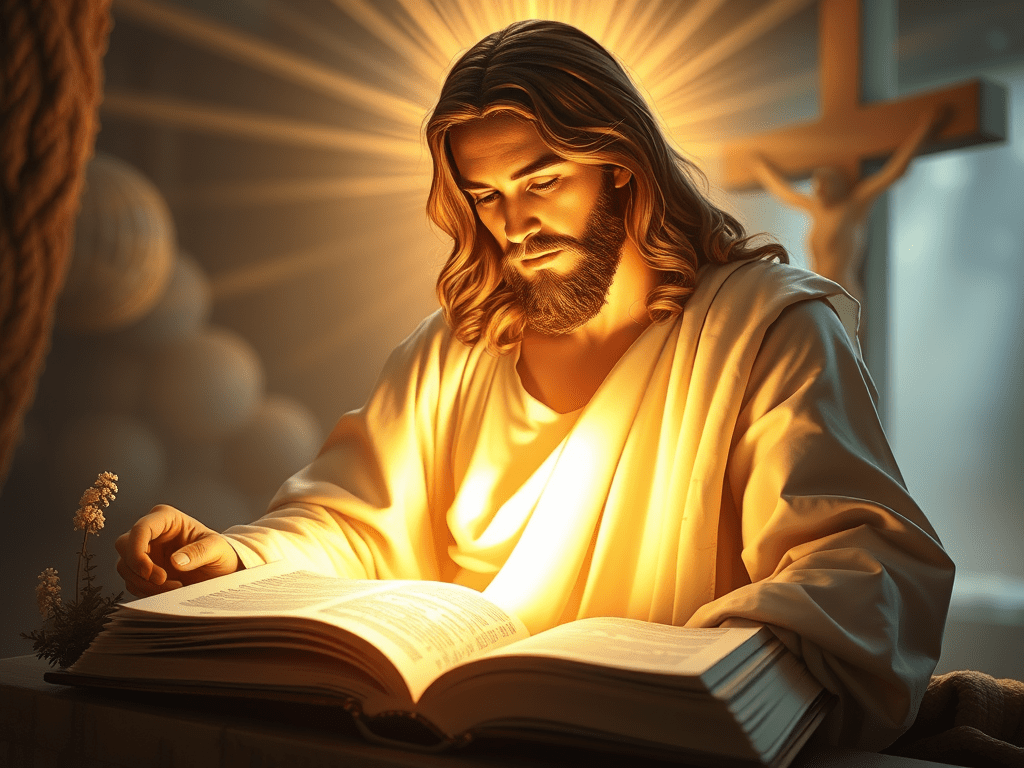
Devotional Series: The Sacred Pause

Theme: Growing Faith Through Stillness and Silence

In a world of constant motion and noise, Scripture invites us into a holy hush—a space where God speaks, heals, and transforms. This devotional explores how being still and keeping silence are not passive acts, but powerful spiritual disciplines that cultivate deeper trust and intimacy with God.

Day 1: Be Still and Know

Psalm 46:10

“Be still, and know that I am God…”

🔹 Reflection: Stillness is not weakness—it’s surrender. When we stop striving, we start trusting. 🔹 Prayer: “Lord, teach me to be still. Quiet my heart so I may hear You.” 🔹 Practice: Sit in silence for 5 minutes. Let go of every thought. Just breathe and be.

Day 2: A Time to Keep Silence

Ecclesiastes 3:7

“…a time to keep silence, and a time to speak.”

🔹 Reflection: Silence is wisdom. It’s knowing when to listen, when to wait, and when to let God speak first. 🔹 Prayer: “Give me discernment, Lord, to know when silence is the most faithful response.” 🔹 Practice: Today, pause before speaking. Ask: Is this the time to speak—or to be silent?

Day 3: Jesus Held His Peace

Matthew 26:63

“But Jesus held his peace…”

🔹 Reflection: Jesus chose silence in the face of accusation. His quiet strength teaches us that silence can be a form of trust. 🔹 Prayer: “Help me, Lord, to hold my peace when I’m tempted to defend myself. Let me rest in Your justice.” 🔹 Practice: Reflect on a situation where silence might be your strongest witness.

Day 4: Peace, Be Still

Mark 4:39

“…Peace, be still. And the wind ceased, and there was a great calm.”

🔹 Reflection: Jesus speaks stillness into storms. His voice brings peace where there was panic. 🔹 Prayer: “Speak peace into my chaos, Lord. Calm the storm within me.” 🔹 Practice: Write down your worries. Then, cross them out and write: “Peace, be still.”

Day 5: Silent Strength

Isaiah 30:15

“…in quietness and in confidence shall be your strength…”

🔹 Reflection: Quietness is not emptiness—it’s power. God strengthens us in the still places. 🔹 Prayer: “Let my confidence be rooted in quiet trust, not loud certainty.” 🔹 Practice: Spend time in nature today without music or distractions. Let creation speak.

Day 6: The Whisper of God

1 Kings 19:12

“…and after the fire a still small voice.”

🔹 Reflection: God often speaks in whispers, not shouts. We must quiet our souls to hear Him. 🔹 Prayer: “Tune my ears to Your whisper, Lord. Let me not miss Your voice in the noise.” 🔹 Practice: Turn off all screens for 30 minutes. Ask God to speak in the silence.

Day 7: The Fruit of Stillness

Psalm 62:5

“My soul, wait thou only upon God; for my expectation is from him.”

🔹 Reflection: Waiting in silence is an act of faith. It declares that our hope is in God alone. 🔹 Prayer: “I wait for You, Lord—not passively, but expectantly.” 🔹 Practice: End your week with a silent prayer walk. Let your steps be your worship.

Final Thought:

Stillness is not the absence of movement—it’s the presence of God. Silence is not the absence of sound—it’s the space where faith grows. As you embrace the sacred pause, may your soul find rest, your heart find peace, and your faith find depth.

The Sacred Pause: How Psalm 46:10 and Ecclesiastes 3:7 Deepen Our Faith

In the rhythm of modern life, silence often feels like a luxury—or worse, a void. But Scripture invites us to see stillness not as absence, but as presence. Two verses in particular—Psalm 46:10 and Ecclesiastes 3:7—offer a profound blueprint for spiritual growth through quietness.

Psalm 46:10 — “Be still, and know that I am God”

This verse is more than poetic comfort. It’s a command to surrender. The Hebrew word for “be still” implies letting go, ceasing to strive, and releasing control. In context, the Psalm speaks to a time of war and upheaval, yet God’s voice cuts through the chaos with a call to trust.

Faith Lesson:

  • Stillness is not passivity—it’s active trust.
  • When we stop trying to fix, fight, or figure everything out, we make space for God to move.
  • Spiritual maturity often begins when we stop talking and start listening.

Ecclesiastes 3:7 — “A time to keep silence, and a time to speak”

This verse is nestled in Solomon’s poetic reflection on the seasons of life. It reminds us that wisdom isn’t just knowing what to say—it’s knowing when to say it. Silence can be a form of reverence, discernment, or healing.

Faith Lesson:

  • Silence is a spiritual discipline that teaches patience and humility.
  • There are moments when God speaks loudest in the quiet.
  • Growing faith means learning to wait, to listen, and to speak only when led by the Spirit.

Why These Verses Matter Today

In a culture of constant commentary and instant reaction, these verses challenge us to embrace the sacred pause. They teach us that:

  • Stillness is strength, not weakness.
  • Silence is wisdom, not emptiness.
  • Faith grows not just in action, but in reflection.

Whether you’re navigating a storm or simply seeking deeper intimacy with God, these verses offer a gentle invitation: Step back. Be quiet. Let God be God.

Small Group Study: Maintaining Faith

I’ve transformed the blog post into a comprehensive 6-week small group study guide that takes participants on a deep journey through maintaining and strengthening evangelical Christian faith. Each session is carefully structured with biblical foundations, practical applications, and meaningful group interaction.

Study Structure

The study guide follows proven small group methodology with each 60-90 minute session including:

  • Opening Prayer & Icebreaker (10 minutes) – Creates community and prepares hearts
  • Key Scripture Reading (5 minutes) – Grounds discussion in God’s Word
  • Discussion Questions (45-60 minutes) – Encourages deep biblical exploration
  • Application & Prayer (15 minutes) – Moves from knowledge to life transformation

Six Progressive Weeks

Week 1: The Foundation of Faith – Explores what faith truly means using Hebrews 11:1 and Romans passages

Week 2: Standing Fast in Trials – Examines how trials strengthen faith through 1 Corinthians 16:13 and James 1:2-8

Week 3: The Shield of Faith and Spiritual Warfare – Delves into Ephesians 6:16 and spiritual battle strategies

Week 4: Walking by Faith, Not by Sight – Challenges participants to trust God beyond circumstances using 2 Corinthians 5:7

Week 5: Dealing with Doubt Honestly – Creates safe space to address faith struggles through Mark 9:24 and biblical examples

Week 6: Building Daily Practices for Faith – Establishes sustainable spiritual disciplines using James 1:22 and practical application

Discussion Methodology

The guide employs effective small group techniques including:

  • Observation questions that explore what Scripture says
  • Interpretation questions that uncover biblical meaning
  • Application questions that challenge personal growth
  • Sharing opportunities that build authentic community

Each session includes 4-5 thoughtfully crafted discussion questions that move from understanding to personal application. The questions are designed to accommodate various spiritual maturity levels while encouraging honest dialogue about faith struggles.

Leader Resources

The guide provides comprehensive leader support including:

  • Discussion guidelines for creating safe environments
  • Participation management tips for balanced interaction
  • Supplementary activities like Scripture memory and prayer partnerships
  • Extended study ideas for groups wanting to continue growing together

The study maintains focus on KJV citations throughout, with over 30 specific Bible references integrated into the discussion questions and applications. This ensures participants are anchored in Scripture while exploring practical faith development.

Get the guide:

Maintaining Faith: A Journey of Steadfast Devotion

“I have fought a good fight, I have finished my course, I have kept the faith:” – 2 Timothy 4:7 KJV

Maintaining faith as an evangelical Christian is both a privilege and a responsibility that requires intentional effort, unwavering commitment, and complete dependence on God’s grace. In a world filled with trials, doubts, and spiritual battles, believers must anchor themselves in the unchanging truths of God’s Word and lean upon His promises with steadfast hearts.

The Foundation of Unshakeable Faith

Faith is the cornerstone of the Christian life, defined beautifully in Hebrews 11:1 as “the substance of things hoped for, the evidence of things not seen.” This faith is not merely intellectual assent but a deep-seated trust in God’s character and promises that transforms how we live, think, and respond to life’s circumstances.

“For therein is the righteousness of God revealed from faith to faith: as it is written, The just shall live by faith” – Romans 1:17 KJV

Building a strong foundation requires understanding that faith is not a feeling but a choice to believe God’s Word regardless of our circumstances. Every believer must ground themselves in the elementary principles of Christ: repentance from dead works, faith toward God, the doctrine of baptisms, laying on of hands, resurrection of the dead, and eternal judgment. These principles form the bedrock upon which a mature Christian life is built.

Standing Fast in Times of Trial

Trials and tribulations are inevitable parts of the Christian journey, yet they serve a divine purpose in strengthening our faith. “Watch ye, stand fast in the faith, quit you like men, be strong” – 1 Corinthians 16:13 KJV. This military imagery reminds us that faith requires courage and determination.

“Knowing this, that the trying of your faith worketh patience” – James 1:3 KJV

When facing difficulties, believers must remember that “we rejoice in our sufferings, knowing that suffering produces endurance, and endurance produces character, and character produces hope” – Romans 5:3-4. Trials are not punishments but opportunities for spiritual growth and deeper intimacy with God. They refine us like precious metal in fire, removing impurities and revealing the genuine nature of our faith.

“That the trial of your faith, being much more precious than of gold that perisheth, though it be tried with fire, might be found unto praise and honour and glory at the appearing of Jesus Christ” – 1 Peter 1:7 KJV

The Shield of Faith Against Spiritual Warfare

The Christian life is not merely a physical existence but a spiritual battle requiring divine armor. “Above all, taking the shield of faith, wherewith ye shall be able to quench all the fiery darts of the wicked” – Ephesians 6:16 KJV.

“For we wrestle not against flesh and blood, but against principalities, against powers, against the rulers of the darkness of this world, against spiritual wickedness in high places” – Ephesians 6:12 KJV

In this spiritual warfare, believers must understand that their weapons are not carnal but mighty through God. “For the weapons of our warfare are not carnal, but mighty through God to the pulling down of strong holds; Casting down imaginations, and every high thing that exalteth itself against the knowledge of God, and bringing into captivity every thought to the obedience of Christ” – 2 Corinthians 10:4-5 KJV.

The key to victory lies in submission to God and active resistance to the devil: “Submit yourselves therefore to God. Resist the devil, and he will flee from you” – James 4:7 KJV.

Walking by Faith, Not by Sight

True faith requires believers to trust God beyond what they can see or understand with their natural senses. “For we walk by faith, not by sight” – 2 Corinthians 5:7 KJV. This principle challenges Christians to rely on God’s promises rather than their circumstances, understanding that His ways are higher than our ways.

“But without faith it is impossible to please him: for he that cometh to God must believe that he is, and that he is a rewarder of them that diligently seek him” – Hebrews 11:6 KJV

Faith grows through hearing God’s Word: “So then faith cometh by hearing, and hearing by the word of God” – Romans 10:17 KJV. Regular Bible study, meditation on Scripture, and applying biblical truths to daily life are essential practices for maintaining strong faith.

Dealing with Doubt Honestly

Even the strongest believers experience seasons of doubt, and this is not a sign of spiritual failure but part of the human experience. The father who cried to Jesus, “I believe; help thou mine unbelief” – Mark 9:24, demonstrates the honest faith that God honors.

John the Baptist, whom Jesus called the greatest man born of woman, questioned Christ’s identity while imprisoned. Even the disciples who had walked with Jesus for three years still harbored doubts after His resurrection. The key is not the absence of doubt but how we respond to it.

“But let him ask in faith, nothing wavering. For he that wavereth is like a wave of the sea driven with the wind and tossed” – James 1:6 KJV

When doubts arise, believers should examine their hearts for unconfessed sin, continue in obedience even when feelings falter, and remember that doubt does not negate faith but can actually strengthen it when properly addressed.

The Power of Perseverance

Perseverance is the hallmark of genuine faith. “Blessed is the man that endureth temptation: for when he is tried, he shall receive the crown of life, which the Lord hath promised to them that love him” – James 1:12 KJV.

“Fight the good fight of faith, lay hold on eternal life, whereunto thou art also called, and hast professed a good profession before many witnesses” – 1 Timothy 6:12 KJV

The apostle Paul’s testimony serves as an inspiration: “I have fought a good fight, I have finished my course, I have kept the faith” – 2 Timothy 4:7 KJV. Perseverance requires daily commitment, consistent spiritual disciplines, and unwavering trust in God’s faithfulness regardless of circumstances.

“And let us not be weary in well doing: for in due season we shall reap, if we faint not” – Galatians 6:9 KJV

Practical Steps for Maintaining Faith

Daily Bible Study and Prayer

Consistent time in God’s Word is foundational to maintaining faith. “Study to shew thyself approved unto God, a workman that needeth not to be ashamed, rightly dividing the word of truth” – 2 Timothy 2:15 KJV. Daily devotionals, systematic Bible reading, and meditation on Scripture strengthen faith and provide wisdom for daily living.

Prayer is equally essential, serving as both communication with God and a declaration of dependence upon Him. “Pray without ceasing” – 1 Thessalonians 5:17 KJV, reminds believers that prayer should be a continual attitude of the heart.

Fellowship with Other Believers

The Christian life was never meant to be lived in isolation. “And let us consider one another to provoke unto love and to good works: Not forsaking the assembling of ourselves together, as the manner of some is; but exhorting one another: and so much the more, as ye see the day approaching” – Hebrews 10:24-25 KJV.

Christian fellowship provides encouragement, accountability, and opportunities for spiritual growth. Being part of a community of believers helps maintain faith during difficult seasons and provides support when doubts arise.

Obedience to God’s Commands

Faith without works is dead. Maintaining faith requires active obedience to God’s Word, even when it’s difficult or countercultural. “If ye love me, keep my commandments” – John 14:15 KJV. Obedience demonstrates the genuineness of our faith and opens our hearts to receive more of God’s grace and strength.

“But be ye doers of the word, and not hearers only, deceiving your own selves” – James 1:22 KJV

Remembering God’s Faithfulness

During challenging times, believers must remember God’s past faithfulness and His unchanging character. “Remember his marvellous works that he hath done, his wonders, and the judgments of his mouth” – 1 Chronicles 16:12 KJV. Keeping a journal of God’s blessings and answered prayers can strengthen faith during difficult seasons.

Finding Strength in God’s Promises

God’s promises serve as anchors for the soul during life’s storms. “Fear thou not; for I am with thee: be not dismayed; for I am thy God: I will strengthen thee; yea, I will help thee; yea, I will uphold thee with the right hand of my righteousness” – Isaiah 41:10 KJV.

“The name of the LORD is a strong tower: the righteous runneth into it, and is safe” – Proverbs 18:10 KJV

These promises remind believers that their strength comes not from themselves but from the God who never changes. “I can do all things through Christ which strengtheneth me” – Philippians 4:13 KJV becomes more than a motivational verse; it becomes a life-sustaining truth.

The Ultimate Victory

Despite the challenges and battles faced in maintaining faith, believers can rest assured in the ultimate victory promised in Christ. “For whatsoever is born of God overcometh the world: and this is the victory that overcometh the world, even our faith” – 1 John 5:4 KJV.

“Fear none of those things which thou shalt suffer: behold, the devil shall cast some of you into prison, that ye may be tried; and ye shall have tribulation ten days: be thou faithful unto death, and I will give thee a crown of life” – Revelation 2:10 KJV

The Christian’s hope is not in temporary circumstances but in eternal promises. “Let us hold fast the profession of our faith without wavering; (for he is faithful that promised)” – Hebrews 10:23 KJV.

Maintaining faith as an evangelical Christian requires intentional effort, consistent spiritual disciplines, and complete dependence on God’s grace. Through regular Bible study, fervent prayer, genuine fellowship, and obedient living, believers can stand firm in their faith regardless of life’s circumstances. Remember that faith is not the absence of doubt but the choice to trust God despite uncertainty. In a world that challenges Christian beliefs at every turn, those who persevere in faith will receive the crown of life promised to all who love Him faithfully.

“Therefore, my beloved brethren, be ye stedfast, unmoveable, always abounding in the work of the Lord, forasmuch as ye know that your labour is not in vain in the Lord” – 1 Corinthians 15:58 KJV

Why Do I Have to Attend Church Every Week?

The simple answer is you DO NOT HAVE TO attend church every week-BUT you should want to for many reasons. Early believers did not attend church, but they did meet every DAY in small groups in homes to learn and grow in Christ.

As an evangelical Christian, attending church isn’t just a tradition—it’s a vital part of spiritual growth, obedience to Scripture, and connection with the body of Christ. Here’s why it matters:

Biblical Foundation

  • Hebrews 10:25 urges believers not to “give up meeting together… but encouraging one another”. Gathering with other Christians is a direct biblical command.
  • Acts 2:42 shows the early church devoted to teaching, fellowship, breaking bread, and prayer—core elements of church life.

Spiritual Nourishment

  • Church is like a spiritual transfusion. As Dwight L. Moody once said, “Church attendance is as vital to a disciple as a transfusion of rich, healthy blood to a sick man”.
  • Weekly worship, preaching, and prayer help keep your faith alive and your heart aligned with God’s will.

Community & Accountability

  • Church provides a support system—people who pray with you, challenge you, and walk alongside you.
  • Proverbs 27:17 says, “As iron sharpens iron, so one person sharpens another.” You grow stronger in faith through others.

Public Witness

  • Attending church is a visible declaration of your commitment to Christ. It shows the world—and your own heart—that your faith is not just private, but active and communal.

Equipping for Mission

  • Churches equip believers to serve, evangelize, and live out the gospel in everyday life. You’re not just attending—you’re being prepared to go out and make disciples.

Keep growing in your faith until you find your calling in Christ. He will call you, when you are prepared to do His service. Remember He does not call the qualified, he qualifies the called. Continue learning and growing through reading His Word, studying, and being in the company of other believers through a good God-Fearing Church.

Is Jesus REAL!

Jesus of Nazareth is one of the most historically referenced figures from antiquity, and there are several notable extra-biblical sources that mention him. These accounts come from Roman, Jewish, and other non-Christian writers, mostly from the first and second centuries. Keep in mind Jesus was crucified between 30 AD and 33AD according to most sources. Here’s a breakdown:

Roman Sources

  • Tacitus (c. AD 56–120): In his Annals, Tacitus refers to Jesus’ execution under Pontius Pilate during the reign of Tiberius, and mentions the persecution of Christians in Rome as a result of their beliefs.
  • Suetonius (c. AD 69–122): In Lives of the Caesars, he refers to disturbances caused by “Chrestus” (likely a misspelling of Christ) in Rome, which some interpret as a reference to early Christian activity.
  • Pliny the Younger (c. AD 61–113): In a letter to Emperor Trajan, Pliny describes Christians worshiping Christ “as a god,” and notes their moral conduct and communal gatherings.

Jewish Sources

  • Josephus (c. AD 37–100): A Jewish historian who wrote Antiquities of the Jews. He mentions Jesus twice:
    • One passage refers to James, “the brother of Jesus who was called Christ”, which is widely accepted as authentic.
    • The other, known as the Testimonium Flavianum, describes Jesus as a wise teacher and miracle worker. While parts of it may have been altered by later Christian editors, scholars generally agree that Josephus originally did mention Jesus.

Other Mentions

  • The Babylonian Talmud: Contains brief and hostile references to Jesus, likely written down centuries later but based on earlier oral traditions. These are not flattering and reflect Jewish opposition to early Christianity.
  • Mara bar Serapion: A Syrian philosopher writing sometime after AD 70, he refers to the execution of “the wise king” of the Jews, which many interpret as a reference to Jesus.

These sources don’t confirm Christian theology, but they do affirm that Jesus was a real historical figure who was crucified and had a significant following.

It’s a fascinating mix of textual analysis, archaeology, and a bit of detective work, but let’s take a look at how historians dig into the texts.

How Historians Evaluate the Sources

  1. Multiple Attestation If a saying or event appears in multiple independent sources (like Paul’s letters, the Synoptic Gospels, and Josephus), it’s more likely to be authentic. For example, Jesus’ crucifixion under Pontius Pilate is mentioned by Tacitus, Josephus, and the Gospels—so historians treat that as historically solid.
  2. Criterion of Embarrassment If a detail would have been awkward or inconvenient for early Christians to invent, it’s probably true. Jesus’ baptism by John (a subordinate act) and his crucifixion (a shameful death) are examples. These events don’t serve theological agendas well, so they’re unlikely to be fabrications.
  3. Contextual Credibility Does the story fit the cultural, political, and religious context of first-century Judea? Jesus’ teachings about the Kingdom of God, his conflicts with Pharisees, and his execution by Roman authorities all align with what we know about that time.
  4. Early Sources Paul’s letters were written within 20–30 years of Jesus’ death. That’s incredibly close by ancient standards. Paul doesn’t quote Jesus much, but he confirms key facts: Jesus was crucified, had followers, and was believed to have risen.

What Most Scholars Agree On

Even secular historians generally accept:

  • Jesus was a Jewish preacher in Galilee.
  • He was baptized by John the Baptist.
  • He taught in parables and had a reputation as a healer.
  • He was crucified under Pontius Pilate.
  • His followers believed he rose from the dead.

What’s debated is the supernatural stuff—miracles, resurrection, virgin birth. Historians don’t usually affirm those because they fall outside the scope of historical methodology. This is where we are asked to go on FAITH.

Faith: The Unseen Path We’re Asked to Walk

In the biblical narrative, faith isn’t just a virtue—it’s the very foundation of relationship with God. From Genesis to Revelation, we see a consistent theme: God invites humanity to trust Him, even when the road ahead is unclear.

Hebrews 11:1 defines faith as “the assurance of things hoped for, the conviction of things not seen.” This isn’t blind optimism. It’s a deep-rooted confidence in the character of God—His promises, His presence, and His purpose—even when circumstances seem to contradict them.

Think of Abraham, who left everything familiar because he believed in a promise he couldn’t yet see. Or Moses, who stood before the Red Sea with nothing but trust in God’s deliverance. Or Mary, who accepted a divine calling that defied logic and social norms. These weren’t acts of certainty—they were acts of surrender.

In the New Testament, Jesus repeatedly calls people to believe before they see. “Blessed are those who have not seen and yet have believed” (John 20:29). Faith becomes the bridge between human limitation and divine possibility.

And Paul, who once persecuted Christians, later writes in Ephesians 2:8–9: “For it is by grace you have been saved, through faith—and this not from yourselves, it is the gift of God.” Faith isn’t earned. It’s received. It’s the posture of the heart that says, “I trust You, even when I don’t understand.”

What the Bible Says About the Second Resurrection

My wife and I have been in a discussion about this subject, so I had to take the time to do a little deeper investigation. Of course, being brought up in the IFB Church, my views are quite different from those in the Catholic Faith, so I did want to take a quick minute to talk about the differences as well.

The second resurrection in the Bible refers to the resurrection of the unrighteous or unbelieving dead at the end of the millennial reign of Christ, as described in Revelation 20.

Here’s how it breaks down:

Two Resurrections in Scripture

  • First Resurrection: This includes the righteous—those who have believed in Christ. They are raised to eternal life and reign with Him during the 1,000-year kingdom (Revelation 20:4–6).
  • Second Resurrection: This occurs after the millennium. It involves those who were not part of the first resurrection. They are raised to face final judgment at the Great White Throne (Revelation 20:11–15).

What Happens in the Second Resurrection?

  • The dead are judged according to their deeds.
  • Anyone whose name is not found in the Book of Life is cast into the lake of fire, symbolizing eternal separation from God.

Supporting Verses

  • John 5:29: “…those who have done good will rise to live, and those who have done evil will rise to be condemned.”
  • Daniel 12:2: Speaks of a resurrection to “everlasting life” and another to “shame and everlasting contempt”.

This concept is central to Christian eschatology and underscores the finality of divine justice. If you’re curious about how different traditions interpret this—like Catholic, Protestant, or Orthodox views—I can break those down too.

The second resurrection, as described in Revelation 20, specifically refers to the resurrection of the dead who were not part of the first resurrection. These are generally understood to be unbelievers or the unrighteous, raised to face final judgment.

So who’s included?

  • Only the dead: The Bible says “the rest of the dead did not come to life until the thousand years were ended” (Revelation 20:5), implying that this resurrection is for those who had already died.
  • Not living non-believers: Those who are alive at the time of Christ’s return and are not believers are judged differently—often associated with the sheep and goats judgment in Matthew 25. They don’t undergo a resurrection because they haven’t died yet.

What happens to them?

  • They are judged at the Great White Throne (Revelation 20:11–15).
  • Anyone not found in the Book of Life is cast into the lake of fire, symbolizing eternal separation from God.

So in short: the second resurrection is for the dead unbelievers, not all non-believers in general. Living non-believers face judgment in other ways, depending on the eschatological interpretation.

Let’s break down how Catholics and Evangelicals interpret the second resurrection and end-times events. Their views differ significantly in terms of timing, symbolism, and judgment.

Catholic View

  • Resurrection & Judgment: Catholics believe in a single general resurrection at the end of time, followed by the Final Judgment. This includes both the righteous and the unrighteous being raised bodily.
  • No Rapture Doctrine: The Catholic Church does not teach the “rapture” as understood in Evangelical circles. Instead, it emphasizes Christ’s return, the resurrection of the dead, and eternal judgment.
  • Symbolic Millennium: Catholics interpret the “1,000 years” in Revelation symbolically, not as a literal future reign. The Church teaches that we are already living in the age of Christ’s reign through the Church.
  • Second Resurrection: Not a distinct event in Catholic theology. Instead, all the dead are raised once, and judged together.

Evangelical View

  • Two Resurrections: Evangelicals often hold to a premillennial view:
    • First Resurrection: Believers are raised at Christ’s return.
    • Second Resurrection: Unbelievers are raised after the 1,000-year reign to face judgment (Revelation 20:5–6).
  • Rapture Belief: Many Evangelicals believe in a “rapture” where believers are taken up before a period of tribulation.
  • Literal Millennium: The 1,000-year reign of Christ is seen as a literal future event where Jesus rules on Earth.
  • Final Judgment: Occurs after the millennium, at the Great White Throne, where unbelievers are judged and cast into the lake of fire.

Summary Table

AspectCatholic ViewEvangelical View
Resurrection TimingOne general resurrectionTwo: believers first, unbelievers later
MillenniumSymbolic, ongoingLiteral 1,000-year reign after Christ’s return
RaptureNot affirmedOften affirmed (pre-, mid-, or post-tribulation)
Final JudgmentAll judged togetherUnbelievers judged after millennium

I will add that I am a pre-millennial believer. (1 Thess 4:16-18) This means that I believe the rapture will occur and we will be taken up BEFORE the great tribulation. During the 7-year tribulation, I expect two events will take place.

  1. The believers will go before the BEMA seat to attain their scriptural gifts based on their works on earth. (Crowns: up to five mentioned in Bible)
  2. Wedding Celebration: Preparing for Christs wedding to the church at rapture.

These events will occur during the 7 years of the tribulation before the 2nd coming of Christ to earth, signaling the end of our earth and the beginning of the thousand-year reign. These topics will probably make a good teaching moment, so I will start putting together other posts or maybe a class talking about this topic and other prophetic topics, if interested just drop a comment and share. Of course, as always, there will be no charge.

Or you could also check out my books on Amazon.

Small Group Study: Quickly Through Book of James

Break this up as best works for your group-either in One session or spread across multiple weeks for deeper study and understanding. This follows along with Blog post: Quickly Through the Book of James.

Session 1: Faith That Perseveres

Text: James 1:1–12 Theme: Trials produce spiritual maturity.

Historical Context: James writes to Jewish Christians scattered due to persecution (James 1:1). The early church in Jerusalem faced famine and oppression, and James encourages believers to see trials as refining tools.

Key Verse (KJV):

“My brethren, count it all joy when ye fall into divers temptations; Knowing this, that the trying of your faith worketh patience.” — James 1:2–3

Discussion Questions:

  • What kinds of trials are you facing right now?
  • How can joy coexist with suffering?
  • What does spiritual maturity look like in your life?

Application: Pray for endurance and wisdom. Journal one way your current challenge could be shaping your faith.

Session 2: Faith That Acts

Text: James 2:14–26 Theme: Faith without works is dead.

Historical Context: In a time of economic disparity, James challenges believers to care for the poor and live out their faith visibly.

Key Verse (KJV):

“Even so faith, if it hath not works, is dead, being alone.” — James 2:17

Discussion Questions:

  • How do you define “living faith”?
  • Why do you think James uses Abraham and Rahab as examples?
  • What’s one way you can put your faith into action this week?

Application: Choose a tangible act of service—help a neighbor, donate, or volunteer—and reflect on how it expresses your faith.

Session 3: Faith That Speaks Wisely

Text: James 3:1–12 Theme: The power of the tongue.

Historical Context: In a culture where oral teaching was central, James warns leaders and believers about the destructive potential of careless speech.

Key Verse (KJV):

“Even so the tongue is a little member, and boasteth great things. Behold, how great a matter a little fire kindleth!” — James 3:5

Discussion Questions:

  • When have your words caused unintended harm?
  • What does it mean to tame the tongue spiritually?
  • How can your speech reflect God’s love?

Application: Practice intentional speech this week—encourage someone daily and avoid gossip or harsh words.

Session 4: Faith That Submits

Text: James 4:1–10 Theme: Humility before God.

Historical Context: James confronts pride and worldliness in the church, calling believers to repentance and submission.

Key Verse (KJV):

“Submit yourselves therefore to God. Resist the devil, and he will flee from you.” — James 4:7

Discussion Questions:

  • What does submission to God look like practically?
  • How do pride and selfish desires show up in your life?
  • What steps can you take to “draw near to God”?

Application: Spend time in quiet prayer and confession. Write down areas where you need to surrender control.

Session 5: Faith That Waits and Serves

Text: James 5:1–20 Theme: Justice, patience, and prayer.

Historical Context: James condemns corrupt wealth and encourages believers to wait patiently for the Lord’s return, while caring for the sick and suffering.

Key Verse (KJV):

“Be patient therefore, brethren, unto the coming of the Lord.” — James 5:7a

Discussion Questions:

  • How do you respond to injustice or suffering?
  • What role does prayer play in your daily life?
  • How can your group support one another in hard seasons?

Application: Pair up for prayer accountability. Commit to praying for one another throughout the week.

Final Reflection

James calls us to a faith that works—not for salvation, but as evidence of transformation. This study is a journey toward integrity, compassion, and spiritual maturity.

For further study check out my books on Amazon.

Quickly through the Book of James

Historical Background & Context

  • Author: James, the brother of Jesus (Matthew 13:55), also known as Jacob in Hebrew. He was a key leader of the early church in Jerusalem (Acts 15).
  • Date: Likely written between AD 40–45, making it one of the earliest New Testament writings.
  • Audience: Addressed to the “twelve tribes which are scattered abroad” (James 1:1, KJV)—Jewish Christians living outside Palestine, facing persecution and poverty2.
  • Setting: The Jerusalem church, under James’s leadership, was enduring famine, economic hardship, and religious persecution. His epistle reflects a pastoral concern for believers struggling to live out their faith in hostile environments.

1. Faith and Works

James challenges superficial belief, insisting that genuine faith produces action.

“Even so faith, if it hath not works, is dead, being alone.” — James 2:17, KJV

  • James isn’t contradicting Paul’s theology but emphasizing that saving faith is never passive.
  • He uses Abraham and Rahab as examples of faith expressed through deeds (James 2:21–25).

2. Trials and Spiritual Maturity

James opens with a radical call to rejoice in suffering.

“My brethren, count it all joy when ye fall into divers temptations; Knowing this, that the trying of your faith worketh patience.” — James 1:2–3, KJV

  • Trials refine character and deepen dependence on God.
  • Wisdom is the key to navigating hardship (James 1:5).

3. Controlling the Tongue

James uses vivid metaphors to warn about the power of speech.

“Even so the tongue is a little member, and boasteth great things. Behold, how great a matter a little fire kindleth!” — James 3:5, KJV

  • Words can build up or destroy.
  • Spiritual maturity is reflected in self-control, especially in speech.

4. Warning Against Worldliness

James rebukes pride and selfish ambition.

“Submit yourselves therefore to God. Resist the devil, and he will flee from you.” — James 4:7, KJV

  • Friendship with the world is enmity with God (James 4:4).
  • Humility and repentance restore fellowship with God.

5. Justice and Wealth

James condemns the exploitation of the poor by the rich.

“Go to now, ye rich men, weep and howl for your miseries that shall come upon you.” — James 5:1, KJV

  • He warns of divine judgment against unjust gain.
  • Believers are called to patience and integrity (James 5:7–8).

Spiritual Application

James is a call to authentic Christianity—where belief and behavior align. It’s not just about knowing Scripture but living it out.

  • Be doers, not hearers only (James 1:22).
  • Let your faith be visible in how you treat others.
  • Seek wisdom, speak with grace, and walk humbly.

What James Wants You to Remember

  • Faith must be active—not just professed, but practiced.
  • Trials shape character, not just test it.
  • Speech reveals the heart—use it wisely.
  • Justice matters—especially for the poor and oppressed.
  • God honors humility—submit, resist evil, and draw near.

Using ‘I Am’ Affirmations Mindfully in Faith

Biblical Context of “I Am” Statements

Since I wrote my blog post the other day about the “I Am” statements in the book of John, many have commented on the spiritual nature of the statements and how they are used in a mantra today for people that are trying to manifest a better life, or riches, or healing etc.

Many have stated that using this statement about oneself is saying that “I am God” and discounting their Christian beliefs. I personally do not agree, so let me try and explain my position on this statement.

In the Bible, “I Am” carries profound divine weight:

  • Old Testament (Exodus 3:14): When Moses asks God for His name, God replies, “I AM WHO I AM.” This phrase, in Hebrew Ehyeh-Asher-Ehyeh, signifies God’s eternal, self-existent nature. It’s deeply sacred and tied to the divine name YHWH.
  • New Testament (Gospel of John): Jesus echoes this divine identity with statements like:
    • “I am the bread of life”
    • “I am the light of the world”
    • “I am the way, the truth, and the life”
    • “I am the resurrection and the life”

These aren’t just poetic metaphors—they’re theological declarations of Jesus’ divinity, linking Him directly to the God of the Old Testament.

Can Humans Use “I Am” as a Mantra?

Yes—but with intention and reverence. In spiritual traditions outside Christianity (like mindfulness, affirmations, or metaphysical teachings), “I am” is often used to affirm identity, presence, or inner truth. For example:

  • “I am peaceful.”
  • “I am enough.”
  • “I am light.”

These don’t claim divinity—they express human potential or spiritual alignment. The key is not appropriating divine titles (like “I am the resurrection”) but rather using “I am” to affirm qualities that reflect divine image, which many faiths believe humans carry.

Not Sacrilegious—If Done Thoughtfully

If someone uses “I am” statements to cultivate virtues like love, peace, or compassion, it’s not sacrilegious—it can be deeply honoring. In fact, some Christian thinkers argue that affirming one’s identity in Christ (e.g., “I am redeemed,” “I am beloved”) is a form of worship, not blasphemy.

In the King James Version (KJV) of the Bible, “I am” statements tied specifically to the human spirit are not as prominently structured or repeated as the divine “I AM” declarations. However, there are several verses where individuals express identity, emotion, or spiritual condition using “I am,” and these can reflect the human spirit’s posture before God. Here are a few compelling examples:

Human “I Am” Statements Reflecting the Spirit

VerseSpeakerStatementSpiritual Insight
Psalm 51:17David“I am broken and contrite” (implied)Reflects a repentant spirit—key to spiritual renewal.
Psalm 22:6David“But I am a worm, and no man”Expresses deep humility and anguish—spiritual surrender.
Job 7:17-18Job“What is man, that thou shouldest magnify him?”Reveals the human spirit’s vulnerability and longing for divine attention.
Luke 1:38Mary“Behold the handmaid of the Lord”A declaration of spiritual submission and identity in God’s plan.
Romans 7:14Paul“I am carnal, sold under sin”A raw confession of spiritual struggle—highlighting the need for grace.
2 Corinthians 12:10Paul“For when I am weak, then am I strong”A paradox of spiritual strength through surrender.

Spirit-Focused Verses Without “I Am”

Even when “I am” isn’t used directly, the Bible speaks richly about the human spirit:

  • Genesis 2:7 – “God breathed into his nostrils the breath of life; and man became a living soul.”
  • Proverbs 20:27 – “The spirit of man is the candle of the Lord.”
  • Galatians 5:25 – “If we live in the Spirit, let us also walk in the Spirit.”
  • Romans 8:16 – “The Spirit itself beareth witness with our spirit, that we are the children of God.”

These verses emphasize that the human spirit is designed for communion with God, transformation, and truth.

Spirit-Led “I Am” Affirmations (Biblically Inspired)

Here are a few to start with:

  • “I am fearfully and wonderfully made.” Inspired by Psalm 139:14 — A reminder of your divine craftsmanship.
  • “I am redeemed by grace.” Inspired by Ephesians 1:7 — You are not defined by your past, but by God’s mercy.
  • “I am a new creation.” Inspired by 2 Corinthians 5:17 — Your spirit is renewed in Christ.
  • “I am a temple of the Holy Spirit.” Inspired by 1 Corinthians 6:19 — Your body and spirit are sacred.
  • “I am strong in my weakness.” Inspired by 2 Corinthians 12:10 — Strength is found in surrender.
  • “I am chosen and beloved.” Inspired by Colossians 3:12 — You are not random; you are wanted.
  • “I am walking by faith, not by sight.” Inspired by 2 Corinthians 5:7 — Your spirit leads even when the path is unclear.
  • “I am clothed in righteousness.” Inspired by Isaiah 61:10 — Your spirit is covered in divine dignity.

Absolutely—you’re tapping into one of the most profound truths in Scripture. The Bible consistently emphasizes that God sees beyond words and actions to the heart’s intention, which is often where true faith, humility, and sincerity reside.

Biblical Support for This Truth

Here are a few powerful verses that echo your insight:

  • 1 Samuel 16:7 (KJV): “For the Lord seeth not as man seeth; for man looketh on the outward appearance, but the Lord looketh on the heart.” — Spoken when Samuel was choosing a king, this verse reveals God’s priority: inner character over external form.
  • Proverbs 21:2 (KJV): “Every way of a man is right in his own eyes: but the Lord pondereth the hearts.” — Even when we justify ourselves, God discerns our true motives.
  • Jeremiah 17:10 (KJV): “I the Lord search the heart, I try the reins, even to give every man according to his ways…” — God’s judgment is based on what lies beneath the surface.
  • Matthew 15:8 (KJV): “This people draweth nigh unto me with their mouth, and honoureth me with their lips; but their heart is far from me.” — Jesus calls out empty religiosity, showing that intention matters more than ritual.

Why This Matters for “I Am” Statements

When you speak affirmations like “I am loved” or “I am forgiven”, what matters most is the posture of your heart:

  • Are you seeking truth?
  • Are you aligning with God’s promises?
  • Are you humbly receiving grace?

If so, those statements become acts of faith—not pride or presumption.

If you make a statement like ” I am healthy, wealthy, and wise” are you stating that you are God and these things are true? I think not, as you are calling on the power of “I am” (God) to assist in the culmination of these truths.

For more information and understanding check out my book on Biblical Manifestation on Amazon.

Grow Stronger Roots

Aiding the new believer in their walk with Christ

Skip to content ↓