Continuing the study of the parables in the Book of Mark.
“Hearken; Behold, there went out a sower to sow.” (Mark 4:3, KJV) With those words, Jesus begins one of His most searching parables—a story that holds up a mirror to every heart that hears the Word of God.
The Story: One Sower, One Seed, Four Soils
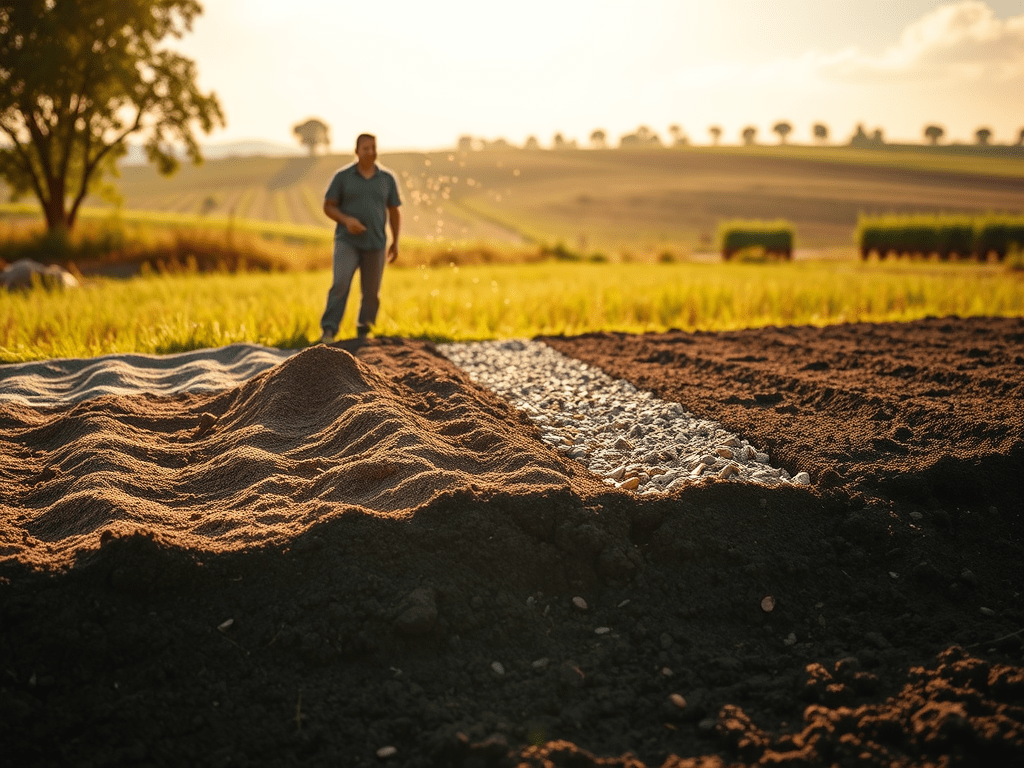
Jesus tells of a farmer scattering seed over a field: “And it came to pass, as he sowed, some fell by the way side… And some fell on stony ground… And some fell among thorns… And other fell on good ground” (Mark 4:4–8, KJV). The same seed lands in four different places, and each soil produces a different result.
Some seed is eaten quickly: “the fowls of the air came and devoured it up” (Mark 4:4, KJV). Some springs up fast but withers: “because it had no root it withered away” (Mark 4:6, KJV). Some grows, but thorns choke it, “and it yielded no fruit” (Mark 4:7, KJV). Yet some falls “on good ground, and did yield fruit that sprang up and increased; and brought forth, some thirty, and some sixty, and some an hundred” (Mark 4:8, KJV).
Then Jesus presses it home with a simple challenge: “He that hath ears to hear, let him hear” (Mark 4:9, KJV). The issue is not whether we have ears on our heads, but whether we have a heart willing to receive.
The Explanation: What the Seed and Soils Mean
Later, alone with His disciples, Jesus unfolds the meaning: “The sower soweth the word” (Mark 4:14, KJV). The seed is the Word of God, and the soils are the different conditions of human hearts.
- The wayside heart – hard and exposed
“And these are they by the way side, where the word is sown; but when they have heard, Satan cometh immediately, and taketh away the word that was sown in their hearts” (Mark 4:15, KJV). Like compacted ground by a path, this heart has been trodden down by sin, cynicism, or pride. The Word never sinks in; it only lies on the surface until the enemy snatches it away. - The stony ground heart – quick but shallow
“And these are they likewise which are sown on stony ground; who, when they have heard the word, immediately receive it with gladness; And have no root in themselves, and so endure but for a time” (Mark 4:16–17a, KJV). This person responds emotionally and enthusiastically, but there is no depth—no repentance, no surrender. “Afterward, when affliction or persecution ariseth for the word’s sake, immediately they are offended” (Mark 4:17b, KJV). When obedience costs, they fall away. - The thorny ground heart – crowded and choked
“And these are they which are sown among thorns; such as hear the word, And the cares of this world, and the deceitfulness of riches, and the lusts of other things entering in, choke the word, and it becometh unfruitful” (Mark 4:18–19, KJV). Here the soil is not hard or shallow—it is busy. Worry, wealth, and wants grow like weeds. The Word is present, but so are rival loves, until spiritual life is smothered. - The good ground heart – receptive and fruitful
“And these are they which are sown on good ground; such as hear the word, and receive it, and bring forth fruit, some thirtyfold, some sixty, and some an hundred” (Mark 4:20, KJV). Good soil is not perfect soil; it is responsive soil. It hears, receives, and then produces a harvest. The measure of true hearing is not how we feel when we listen, but what grows afterward.
Why This Parable Matters So Much
Jesus hints at the central importance of this story when He asks, “Know ye not this parable? and how then will ye know all parables?” (Mark 4:13, KJV). If we misunderstand how the Word works in the heart, we will misunderstand much of the Christian life.
This parable protects us from two errors. First, it keeps us from blaming the seed when there is no fruit; God’s Word is not defective. Second, it keeps us from boasting in our own sowing; the sower and the seed remain constant, but the difference lies in the heart that receives.
Consider one simple example: two people sit under the same sermon. One leaves unchanged, distracted before lunch. Another leaves pierced, repents, and bears steady fruit for years. Same seed, same sower—different soil.
Preparing the Soil of Your Heart
The question is not, “Do I like this parable?” but, “What kind of soil am I right now?” The good news is that, by God’s grace, hard and crowded hearts can be changed.
Here are some practical ways to cooperate with God as He tends the soil:
- Ask God to break hardness.
Pray honestly about any resistance in your heart. When you notice the Word bouncing off your mind, ask the Lord to plow up the fallow ground. - Seek depth, not just moments.
If you have lived on spiritual highs that quickly fade, begin to build unseen roots—daily Scripture, prayer, obedience in small things, committed fellowship. Roots are quiet, but they are life. - Pull the weeds ruthlessly.
Identify “the cares of this world… the deceitfulness of riches, and the lusts of other things” that are choking your attention and affection (Mark 4:19, KJV). Weeds rarely leave on their own; they must be pulled. - Aim for fruit, not just knowledge.
Ask after every encounter with the Word: What will obedience look like today? Good soil is known, not by how much it knows, but by the harvest it bears—thirtyfold, sixtyfold, and an hundredfold (Mark 4:20, KJV).
A Final Call: “Hearken”
“Hearken; Behold, there went out a sower to sow.” (Mark 4:3, KJV) With this simple picture, Jesus invites every listener into a story that quietly asks a hard question: What kind of heart do you have toward the Word of God?
The parable begins and ends with a call to listen. Jesus opens with “Hearken” (Mark 4:3, KJV) and closes with “He that hath ears to hear, let him hear” (Mark 4:9, KJV). He is not just asking for our curiosity, but for our surrender.
The Sower still walks His fields. The Word still goes out. The question is not whether the seed is powerful, but whether the soil is prepared. Today, as you hear His Word, let your prayer be simple: “Lord, make my heart good ground.”
Why This Parable Is So Foundational
When the disciples struggle to grasp the meaning, Jesus asks, “Know ye not this parable? and how then will ye know all parables?” (Mark 4:13, KJV). In other words, if we miss this, we will miss a great deal. This parable is about how God’s truth actually works in real lives.
It reminds us the problem is not in the seed. God’s Word is living and powerful; it does not lack clarity, life, or power. The difference lies in the soil—in the condition of the heart that hears. Two people can listen to the same sermon, read the same passage, or sit in the same Bible study, yet one leaves unchanged while the other is transformed. The seed is the same; the soil is not.
It also guards us from shallow optimism. A quick response is not the same as lasting fruit. Jesus warns that immediate joy without root will wither in the heat of trials (Mark 4:16–17, KJV). True reception of the Word is proven not by how loudly we start, but by whether we are still bearing fruit later.
Examining Our Own Soil
This parable is not primarily about “other people” out there—it is a gracious invitation to examine ourselves.
- Are you like the wayside?
Has your heart grown hard through disappointment, sin, or familiarity with truth? Perhaps you hear sermons, read Scripture, or scroll past verses, but nothing ever seems to land. The call is to ask God to soften what has become packed down and to let the Word sink below the surface. - Are you like the stony ground?
Have you had seasons of spiritual excitement that faded as soon as life became difficult? Jesus is not shaming you; He is showing where depth is needed. Roots grow slowly—through daily time with the Word, honest prayer, obedience in small things, and a willingness to follow Christ even when it costs. - Are you like the thorny ground?
Do you see signs of spiritual life, yet feel constantly strangled by “the cares of this world, and the deceitfulness of riches, and the lusts of other things” (Mark 4:19, KJV)? The weeds in this soil are not always obviously evil; often they are good things that have taken a ruling place in the heart. The invitation is to let God identify and pull what chokes your affection for Him. - Are you like the good ground?
Do you see steady, humble fruit—growth in holiness, love, repentance, patience, generosity? Not every plant bears the same measure (“some thirty, and some sixty, and some an hundred,” Mark 4:20, KJV), but every true believer will, over time, show evidence that the Word is alive in them.
Cultivating a Heart Where the Word Grows
The good news of this parable is that the Sower does not give up on the field. He keeps sowing. Hearts can change. Hard ground can be broken up, stones can be cleared, thorns can be pulled. By His Spirit, God works the soil of our lives so that His Word may truly take root.
You can cooperate with that work in simple, practical ways:
- Come to the Word prayerfully.
Before you read or hear Scripture, echo the heart of this parable: “Lord, give me ears to hear” (Mark 4:9, KJV). Ask Him to show you where your soil resists Him. - Respond quickly and practically.
When the Word convicts, encourage, or instructs you, do not delay. The longer truth sits on the surface, the easier it is for it to be snatched away (Mark 4:15, KJV). Obedience presses the seed deeper. - Guard against slow-growing thorns.
Regularly ask: What is competing with God’s Word for my time, my attention, my trust? The cares of this world and the deceitfulness of riches rarely arrive with a label; they grow quietly unless we notice and cut them back (Mark 4:19, KJV). - Celebrate fruit, however small.
If you belong to Christ, you will bear fruit—not because you are impressive soil, but because His Word is living, and His Spirit is at work (Mark 4:20, KJV). Thank Him for every sign of growth, even if it feels like “thirtyfold” rather than “an hundredfold.”
At the beginning of the parable, Jesus simply says, “Hearken” (Mark 4:3, KJV). At the end, He says, “He that hath ears to hear, let him hear” (Mark 4:9, KJV). Between those two calls lies a searching story about soil, seed, and hearts. The Sower is still scattering His Word generously. The question is not whether the seed has power, but whether we will let it sink in, take root, and bear fruit that lasts.
If you missed the study of the Parables in the Book of Matthew, check it out HERE. Feel free to print out any post for your small group study.
Discovering the Path of Salvation series by Stephen Luckett
Discover more from Grow Stronger Roots
Subscribe to get the latest posts sent to your email.

 Grow Stronger Roots
One thought on “Parable of the Sower: Mark 4:3-20”