The parable in Luke 12:42–48 calls every follower of Jesus to live as a faithful steward who is ready for his return, especially those entrusted with influence, teaching, and leadership. It is a sober reminder that privilege in God’s kingdom always comes with responsibility and accountability.
The Story Jesus Told
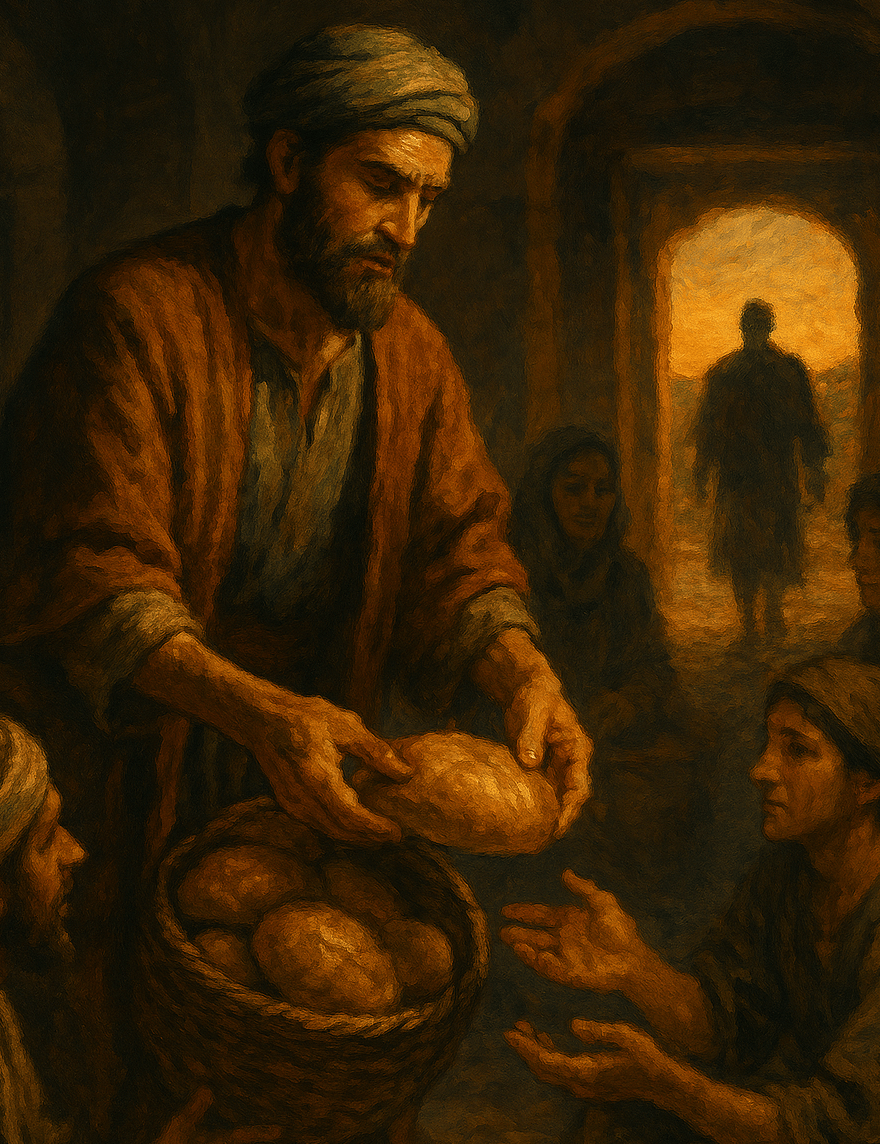
Jesus describes a master who goes away and puts a household manager (a steward) in charge of the other servants and their daily needs. The faithful steward keeps serving, feeding, and caring for the household even when the master’s return is delayed and unseen. When the master finally comes back and finds him doing exactly what he was assigned, he rewards him with greater trust and responsibility over all his possessions.
But Jesus also pictures another kind of steward. This one quietly decides in his heart that the master is “a long time in coming,” and because of that hidden belief, he begins to abuse others and indulge himself—beating fellow servants, eating, drinking, and getting drunk. The master returns unexpectedly and judges this steward severely, assigning him a place “with the unbelievers.” Jesus then broadens the lens: those who knew the master’s will and refused to act will face heavier judgment than those who acted wrongly out of ignorance, and he concludes with the famous line, “From everyone who has been given much, much will be required.”
Stewards, Not Owners
At the heart of this parable is identity: we are stewards, not owners. A steward manages what belongs to another—time, resources, relationships, opportunities, spiritual gifts, and even knowledge of the gospel itself. Nothing we have is ultimately ours; it has been “put in charge” to us for a season so that others might be fed, served, and built up.
This runs directly against a culture that trains us to ask, “How can I use this for my comfort and success?” Instead, the parable asks, “How can I use this for my Master’s will and my neighbor’s good?” Your position at work, your role in your church, your income, your skills, your influence on social media, and even your biblical knowledge are all part of the “household” you have been entrusted to serve.
The Quiet Test of Delay
One of the most searching parts of this parable is how much turns on delay. The difference between the faithful and unfaithful steward is not that one heard the master’s instructions and the other didn’t; it is what they did during the long, quiet stretch when the master was absent. The unfaithful servant’s downfall begins with a heart-level calculation: “My master is taking a long time.” Once he convinces himself the master is far away and uninvolved, it becomes easy to exploit people and numb his conscience with pleasure.
Our discipleship is rarely tested in the dramatic moments; it is tested in the in-between seasons—when prayers seem unanswered, when obedience feels costly and unseen, when serving others gets tiring and nobody says thank you. In those seasons, we either keep living as though Jesus could return at any time, or we quietly drift into living as though he never will. The parable insists that the apparent silence of God is not indifference; it is a window of mercy that will one day close.
Accountability: With Knowledge Comes Weight
Jesus’ words about lashes and degrees of punishment unsettle us, but they also reveal God’s justice and fairness. Those who “knew the master’s will” and still refused to respond face greater accountability than those who acted wrongly without that same level of understanding. In other words, revelation is never neutral—it always raises the stakes.
Applied today, this means:
- Those who teach, lead, or influence others spiritually are especially accountable for how they use that position.
- Those of us with Bibles on our shelves, sermons in our podcasts, and endless access to resources cannot pretend ignorance.
- Spiritual knowledge that doesn’t become obedience actually increases our responsibility rather than our status.
“To whom much was given, of him much will be required” is not just a memorable phrase; it is a spiritual law woven into the fabric of God’s kingdom.
Living as a Faithful Steward Today
So what does faithfulness look like in everyday life? It is less about dramatic heroics and more about long obedience in the same direction.
- Be faithful with people: Feed, don’t use, the people God has placed in your care—family, small group, team, congregation, friends.
- Be faithful with your role: Lead as a servant, not as a petty master; authority in Christ’s kingdom is for lifting others up, not elevating ourselves.
- Be faithful with your habits: Live as if Jesus could return at any moment, letting that hope shape how you work, rest, spend, click, speak, and plan.
- Be faithful with your knowledge: Respond to what you already know—put into practice the Scriptures you have heard instead of waiting for something “new.”
Imagine the master returning in the middle of an ordinary Tuesday. Faithfulness means he would find you doing exactly what he asked: loving your neighbor, telling the truth, serving your church, working honestly, repenting quickly, and using your blessings to bless others. That is the steward Jesus calls “blessed”—the one who will hear, “Well done,” and be trusted with even more in the age to come.
Are you following the study of the Parables of Jesus?
Discovering the Path of Salvation series by Stephen Luckett
Discover more from Grow Stronger Roots
Subscribe to get the latest posts sent to your email.

 Grow Stronger Roots
One thought on “Living as Christ’s Steward: A Guide to Responsibility. Luke 12:42-48”