Continuing our study of the Parables in Mark. If you missed the study in Matthew, check it out or print it out for a small group study.
In the Gospel of Mark, Jesus often uses simple, everyday images to reveal profound spiritual truths. One of His most memorable illustrations appears in Mark 2:22, where He says:
“And no man putteth new wine into old bottles: else the new wine doth burst the bottles, and the wine is spilled, and the bottles will be marred: but new wine must be put into new bottles.” — Mark 2:22, KJV
At first glance, it’s a lesson in ancient winemaking. But beneath the surface lies a powerful message about spiritual growth, renewal, and the danger of trying to fit God’s new work into old frameworks.
Understanding the Image: New Wine, Old Bottles
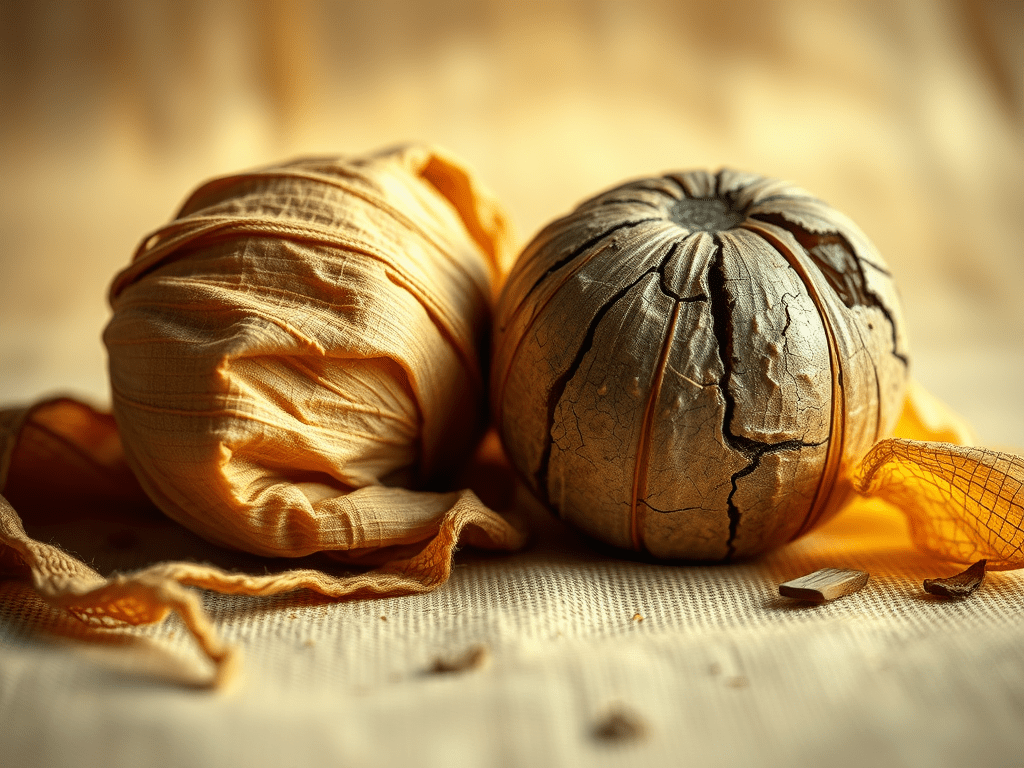
In Jesus’ day, “bottles” were not glass containers—they were wineskins, made from animal hide. Fresh wineskins were flexible and able to stretch as new wine fermented and expanded. Old wineskins, however, became stiff and brittle. If you poured new wine into them, the pressure of fermentation would cause them to burst.
Jesus uses this familiar process to illustrate a spiritual reality:
- New wine represents the new covenant, new life, and new work God is doing.
- Old wineskins represent rigid traditions, old mindsets, and hearts unwilling to change.
The message is unmistakable:
God’s new work cannot be contained in old patterns.
Why Jesus Spoke This Parable
This teaching comes in a moment when Jesus is being questioned about fasting and religious customs. His critics want to know why His disciples don’t follow the old patterns. Jesus responds by explaining that something radically new has arrived—something that cannot simply be squeezed into the old system.
He’s not dismissing tradition. He’s revealing that His presence changes everything.
What This Means for Us Today
This parable speaks directly into the tension many of us feel between who we’ve been and who God is calling us to become.
1. New seasons require new structures.
You can’t step into a new calling with the same habits, attitudes, or limitations that held you back before.
2. Spiritual growth demands flexibility.
Just as new wineskins stretch, we grow when we allow God to stretch our thinking, our comfort zones, and our expectations.
3. God’s work is dynamic, not static.
The Holy Spirit continues to move, challenge, and transform. If we cling too tightly to old ways, we risk missing what God is doing now.
4. Renewal begins inside us.
Jesus isn’t asking us to patch up our old selves—He’s inviting us to become new vessels altogether.
Paul echoes this beautifully:
“And be renewed in the spirit of your mind.” — Ephesians 4:23, KJV
Are You Ready for New Wine?
This parable gently asks us to examine our hearts:
- Are there areas where we’ve become rigid or resistant to change?
- Are we trying to fit God’s new direction into old habits?
- Are we willing to let God reshape us so we can hold what He wants to pour into our lives?
Jesus’ words aren’t a warning meant to intimidate—they’re an invitation to transformation.
New wine is a gift. New wineskins are a choice.
When we allow God to renew our hearts, expand our capacity, and soften our resistance, we become vessels ready to receive the fullness of what He wants to do.
Discovering the Path of Salvation series by Stephen Luckett
Discover more from Grow Stronger Roots
Subscribe to get the latest posts sent to your email.

 Grow Stronger Roots
One thought on “The Parable of New Wine in Old Bottles: Why Jesus Calls Us to Expand Mark 2:22”