Continuing the study in minor prophets: Lessons in the Minor Prophets.
When I first opened the book of Hosea, I didn’t expect it to pierce my heart the way it did. Hosea is often overlooked, tucked away among the Minor Prophets, but his story is anything but minor. It is raw, painful, and yet profoundly beautiful. Hosea’s life became a living parable of God’s covenant love—a love that refuses to let go even when betrayed.
A Marriage That Preaches
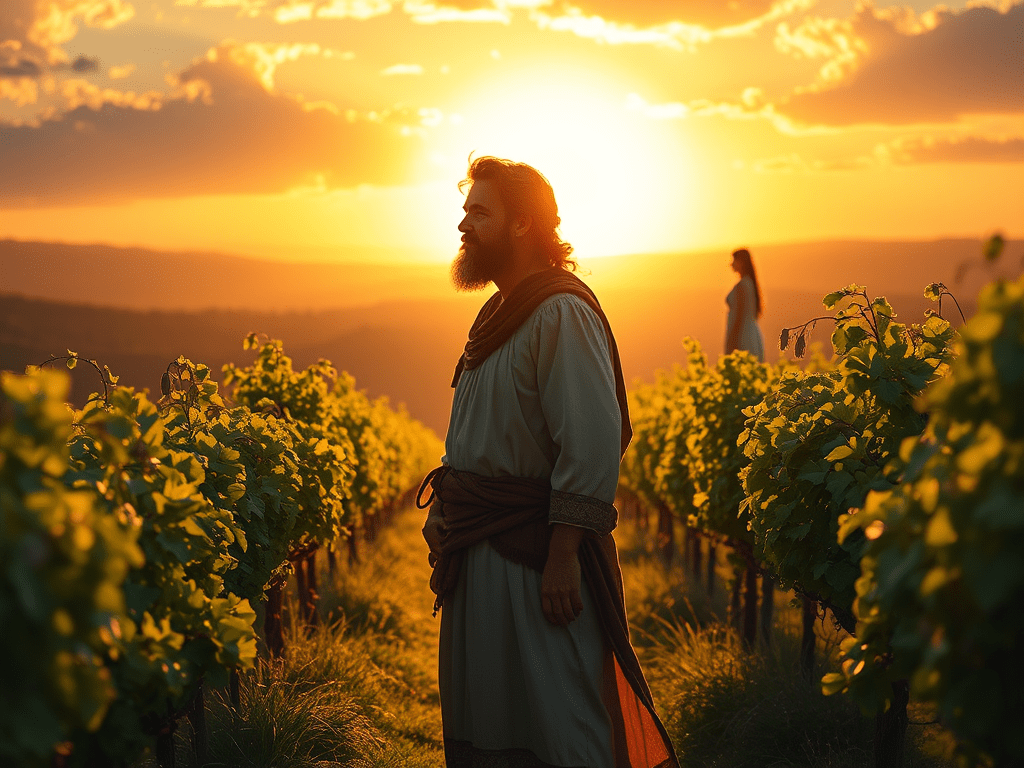
God commanded Hosea to marry Gomer, a woman who would be unfaithful. At first, I struggled with this. Why would God ask His prophet to endure such heartbreak? But as I read, I realized Hosea’s marriage was meant to mirror Israel’s relationship with God. Just as Gomer strayed, Israel chased after idols. And just as Hosea pursued her, God pursued His people.
“And the LORD said unto me, Go yet, love a woman beloved of her friend, yet an adulteress, according to the love of the LORD toward the children of Israel, who look to other gods, and love flagons of wine.” (Hosea 3:1, KJV)
That verse struck me deeply. Hosea’s love was not based on Gomer’s faithfulness—it was based on God’s command to reflect His own relentless love. In that moment, I saw myself in Gomer. I’ve wandered, I’ve chased after lesser loves, and yet God has never stopped pursuing me.
God’s Call to Return
Throughout Hosea, the theme of returning to God echoes again and again. Israel’s sin was real, but so was God’s mercy.
“O Israel, return unto the LORD thy God; for thou hast fallen by thine iniquity.” (Hosea 14:1, KJV)
I’ve felt the weight of my own failures, the shame of falling short. Yet Hosea reminded me that God’s invitation is always open. He doesn’t say, “Clean yourself up first.” He simply says, “Return.” That call is both humbling and liberating. Repentance isn’t about earning forgiveness—it’s about receiving the love that’s already waiting.
Healing and Free Love
One of the most powerful promises in Hosea comes near the end:
“I will heal their backsliding, I will love them freely: for mine anger is turned away from him.” (Hosea 14:4, KJV)
That word “freely” leapt off the page. God’s love isn’t reluctant or begrudging—it’s abundant, unearned, and overflowing. I realized that when I return to Him, He doesn’t just forgive; He heals. He restores what was broken. Hosea taught me that God’s love is not fragile—it is fierce, pursuing, and unrelenting.
Mercy Over Ritual
Another verse that challenged me was Hosea 6:6:
“For I desired mercy, and not sacrifice; and the knowledge of God more than burnt offerings.” (KJV)
It’s easy to fall into the trap of outward religion—checking boxes, performing rituals, or even just “going through the motions.” But Hosea reminded me that God isn’t impressed by empty gestures. He desires mercy, compassion, and genuine relationship. This verse forced me to ask: Am I living out my faith in love and mercy, or am I just performing for appearances?
Lessons for My Life
Walking through Hosea, I learned several lessons that continue to shape my faith:
- God’s love is relentless: Even when I stray, He pursues me.
- Repentance is an invitation: Returning to God is always possible, no matter how far I’ve wandered.
- Healing is promised: God doesn’t just forgive—He restores.
- Faith is relational: He desires mercy and knowledge of Him more than ritual.
Hosea’s story is not just ancient history—it’s a living testimony that even in my unfaithfulness, God remains faithful.
Conclusion
Hosea taught me that God’s love is not conditional on my perfection. It is steadfast, pursuing, and healing. His call is always to return, His mercy is always greater than my failures, and His desire is always for relationship rather than ritual.
Reading Hosea felt like being confronted by a mirror—seeing my own wandering heart—but also being embraced by a Father whose love refuses to let go.
Discovering the Path of Salvation Series
Discover more from Grow Stronger Roots
Subscribe to get the latest posts sent to your email.

 Grow Stronger Roots
One thought on “Hosea: Discovering God’s Relentless Love”